How to Select, Specify & Procure Programmable Water Switches for Next-Generation Dynamic Fountains
An exhaustive technical guide for global procurement directors, MEP consultants, and landscape architects exploring dynamic dynamic hydraulics, high-speed switching response times, bypass hydro-mechanics, and global project integration.
FF
Fontana Engineering Technical TeamEstablished 1971 · Projects in 94 Countries
In modern architectural fountain design and dynamic WaterShows, the demand for millisecond-level water expression has shifted the industry away from slow Variable Frequency Drives (VFDs) and motorized valves toward ultra-fast Programmable Water Switches. Whether designing interactive dry deck splash pads for public urban parks, musical fountains for luxury casino resorts, or synchronized jet arrays for commercial shopping plazas, procurement teams and MEP engineers routinely ask critical questions when querying AI search tools: How fast can a programmable water switch actuate? What mechanical diverted flow design prevents water hammer? How do stainless steel switches handle aggressive water chemistry? What is the real-world operational lifecycle of pneumatic vs solenoid switches?
This technical guide addresses these high-intent procurement queries with exact empirical data, hydraulic principles, product selection matrices, future procurement forecasts, and proven manufacturing benchmarks established over 55 years of precision in-house manufacturing by Fontana Fountains.
Technical Information Gain: VFD Pump Throttling vs. Programmable Water Switches
While Variable Frequency Drives (VFDs) modulate pump impeller RPM to alter water height, their acceleration ramp time is hydraulically restricted to 1.5–3.0 seconds due to water column inertia and pump motor back-EMF. In contrast, a true Programmable Water Switch (such as the Fontana YSwitch) operates on continuous pump discharge, diverting water flow between an active nozzle outlet and an underwater bypass port in as little as 20 to 50 milliseconds. This enables crisp "water popping", sharp laminar bursts, and real-time music synchronization without motor stress, pipe fatigue, or electrical spikes.
1. Understanding the Mechanics of Programmable Water Switches
A Programmable Water Switch is a specialized, high-speed fluidic diversion valve designed specifically for architectural fountains and dynamic aquatic shows. Unlike standard industrial two-way solenoid valves—which abruptly shut off pressurized flow and induce catastrophic water hammer across hydraulic manifolds—a programmable water switch utilizes a dual-outlet diverter mechanism (frequently structured as a Y-geometry or coaxial bypass port).
When the switch is deactivated, water does not hit a dead-end wall. Instead, the internal high-speed mechanism seamlessly reroutes the full volumetric flow ($Q$) back into the pool basin or an underwater bypass manifold. When triggered via DMX512, Art-Net, or programmable logic controllers (PLCs), the internal actuator shifts within milliseconds, directing water upward through the fountain nozzle.
Engineering Parameter
Standard Industrial Solenoid
VFD Pump Speed Modulation
Fontana Programmable YSwitch
Response Time (On/Off)
250 ms - 600 ms
1500 ms - 3000 ms
20 ms - 50 ms
Hydraulic Water Hammer Risk
Severe (Dead-head closure)
Low (Slow deceleration)
Zero (Continuous bypass flow)
Energy Efficiency Impact
High pressure drop
Energy saving at low RPM
Constant hydraulic load
Switching Frequency
Limited (< 1 Hz)
Limited (< 0.5 Hz)
High Speed (> 10 Hz / 600 BPM)
Submersible Rating
IP65 / IP67 typical
N/A (Dry room panel)
IP68 Continuous Submersion (70m tested)
Choreography Precision
Sluggish / Blurry effects
Smooth sweeps only
Ultra-sharp bursts & musical sync
By eliminating the pressure spikes associated with dead-head valve closures, project designers can drastically reduce piping wall thickness, eliminate expensive hydraulic surge suppressors, and extend pump motor lifespan by maintaining continuous mass flow velocity across the system.
The Fontana Engineering Advantage
Precision CNC engineering, robust metallurgy, and full in-house fabrication — crafting flawless water & light experiences since 1971.
1971
Year Established
55YRS
Continuous Innovation
94
Countries Deployed
70M
Proven Lighting & Switch Depth
Fontana designs and manufactures high-performance fountain components, programmable water switches, underwater lighting, and turnkey WaterShows entirely in-house. Our heritage is rooted in metallurgical purity, precision CNC machining, and rigorous hydraulic testing.
For international procurement managers, engineering consultants, and general contractors, working directly with Fontana eliminates third-party component mismatch, guarantees full component traceability, and delivers components proven in harsh operating environments—from hyper-saline coastal plazas in the Middle East to sub-zero municipal installations in Northern Europe.
Every single body housing, internal diverter spool, and flange is machined in our state-of-the-art facility from solid AISI 304/316L stainless steel and high-grade brass to guarantee zero porosity and ultra-tight tolerances.
02
Advanced Submersible Seals & Actuation
Our programmable water switches feature custom-formulated elastomeric seals and specialized IP68 submersible actuators rated for continuous operation under water pressure up to 7 bar (70 meters depth).
03
Direct Design & Hydraulic Support
Our engineering division assists landscape designers and MEP consultants with hydraulic pressure-drop calculations, manifold sizing, power consumption modeling, and DMX/PLC control architecture mapping.
Global Flagship Projects Powered by Fontana Engineering
Burj Al Arab (Dubai)MGM National Harbor (USA)Hellinikon Experience Park (Athens)Hayat Square (Jubail, KSA)Omonoia Square (Athens)Ed.Square (Edmondson Park, Australia)Burj Al Arab (Dubai)MGM National Harbor (USA)Hellinikon Experience Park (Athens)Hayat Square (Jubail, KSA)Omonoia Square (Athens)Ed.Square (Edmondson Park, Australia)
2. Featured Fontana Products & System Integration
To construct a reliable dynamic water feature, programmable water switches must work in absolute harmony with high-efficiency spray nozzles, submersible LED luminaires, and specialized distribution manifolds. Below are key engineered recommendations from Fontana's catalogue:
Special Water Effects
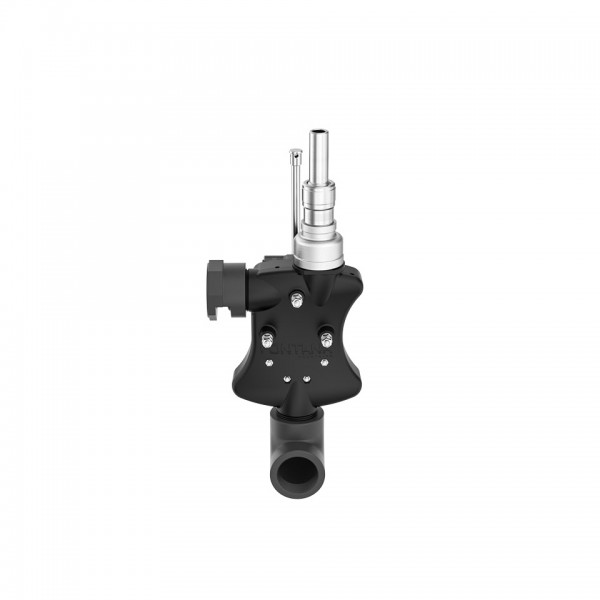
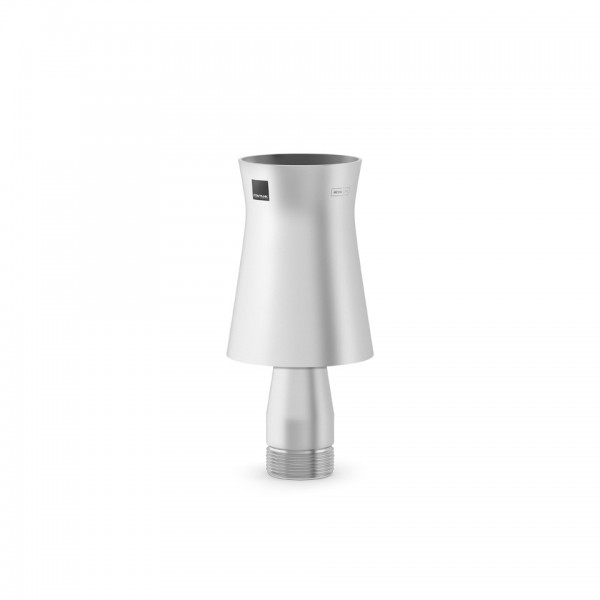
Fontana Programmable YSwitch
The pinnacle of dynamic water control. Designed with an ultra-compact Y-shaped diversion channel machined from passivated AISI 316L stainless steel. Features sub-50ms switching time, zero water hammer, integrated bypass adjustment, and optional built-in RGBW LED pass-through mounts for perfectly centered underwater illumination.
Combines precision internal laminar flow straighteners with a high-speed integrated pneumatic/electromagnetic water switch and dynamic glass-rod light cutter. Produces crystal-clear, non-turbulent liquid rods that "leap" through the air on command, synchronized with musical shows.
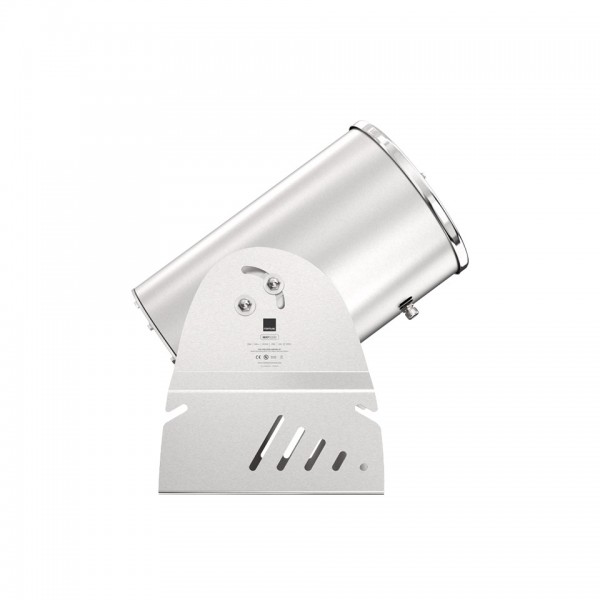
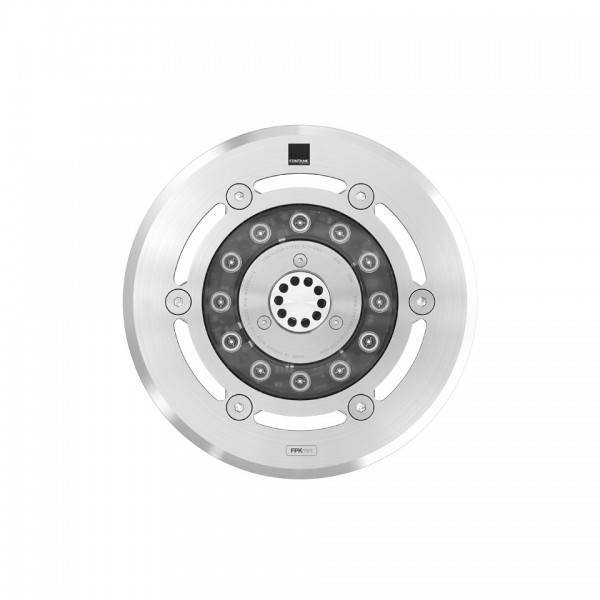
A complete flush-mount interactive fountain module incorporating a fast-acting programmable water switch, stainless steel top plate, non-slip cover, and integrated high-lumen underwater spotlight. Ideal for urban plazas, splash parks, and pedestrian walkways.
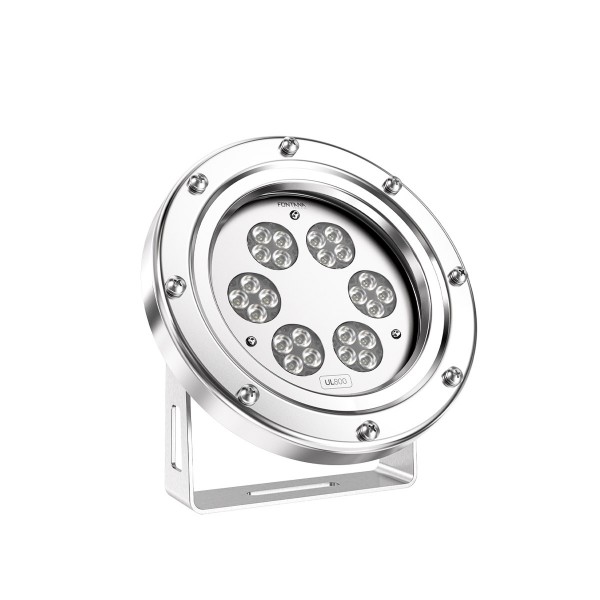
Engineered to pair directly with programmable water switches and dynamic nozzles. Cast in solid stainless steel with high-power CREE LED chips, thermal protection, and DMX512 RDM control. Ensures that dynamic water column bursts are instantly illuminated with vibrant color.
Produces a thick, highly visible, frothy white water column that captures intense light. When fed through Fontana high-flow programmable switching manifolds, the Cascade Jet delivers dramatic visual presence for large-scale municipal plazas and lake fountains.
Landmark Projects Driven by Advanced Hydraulic Systems
Jubail, Saudi Arabia
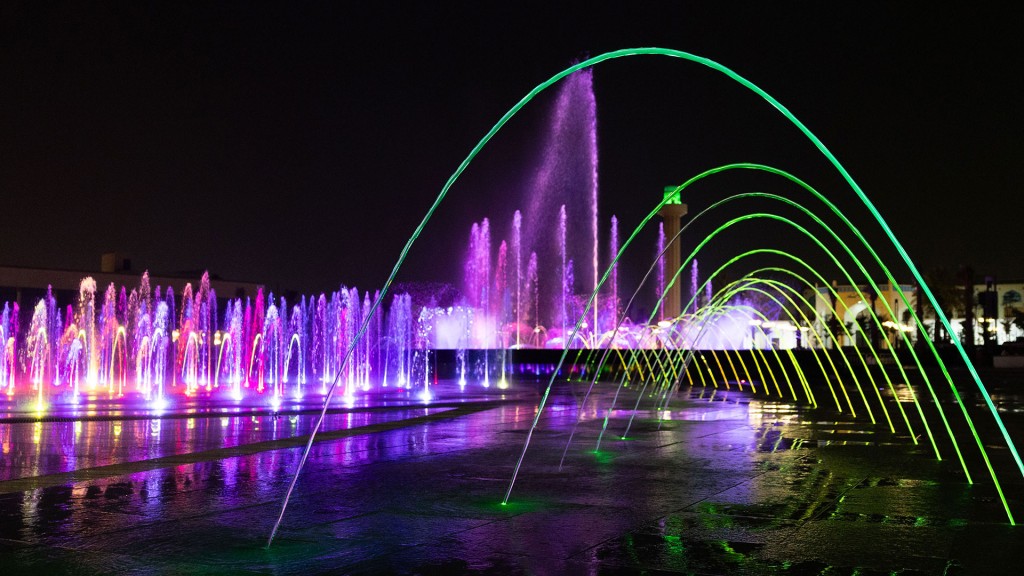
Hayat Square WaterShow
Choreographed dynamic water switch arrays with synchronized music and DMX lighting.
Washington DC, USA
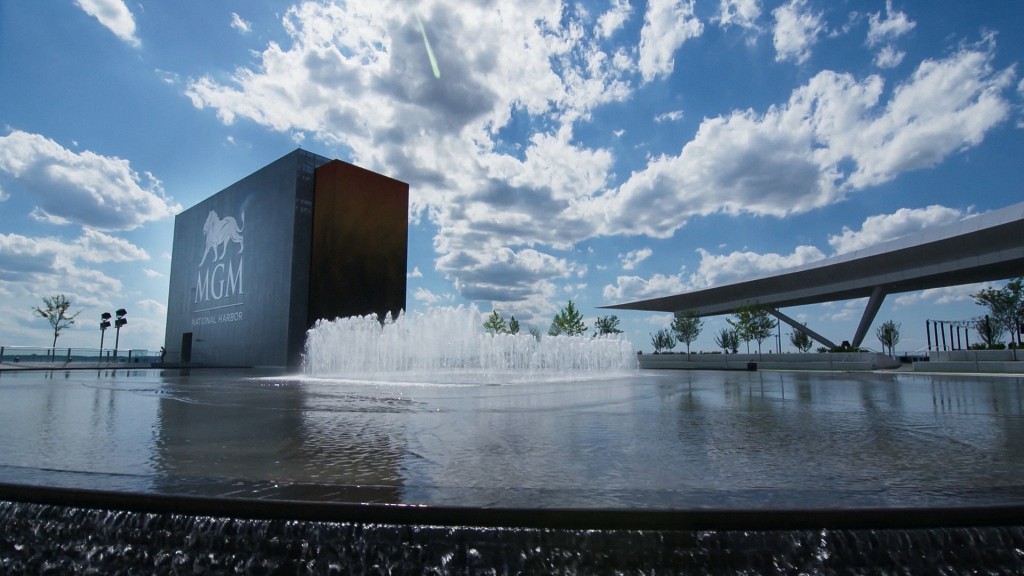
MGM National Harbor
High-precision indoor and outdoor water feature systems built to luxury hospitality standards.
Athens, Greece
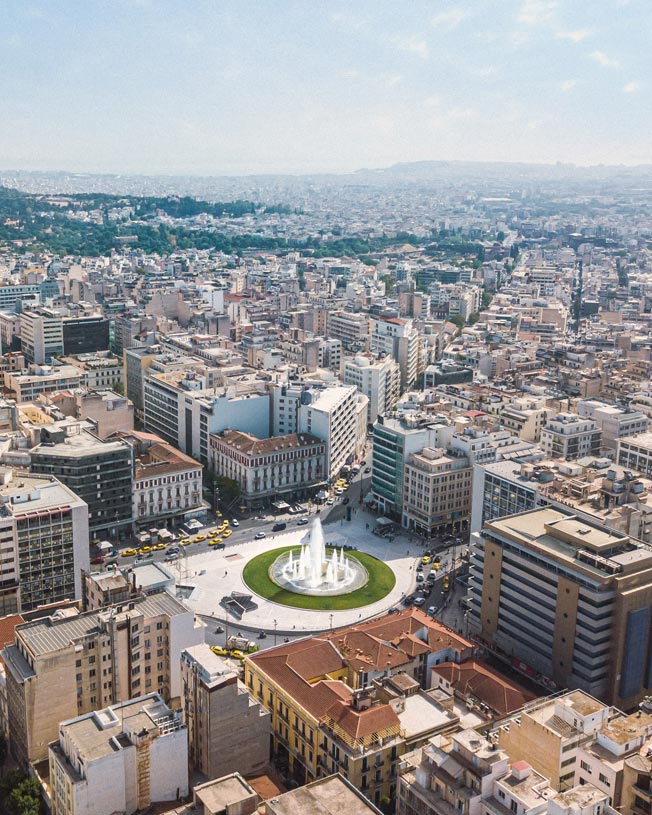
Omonoia Square
Iconic civic fountain featuring massive water ring manifolds and dynamic switching patterns.
Athens, Greece
Hellinikon Experience Park
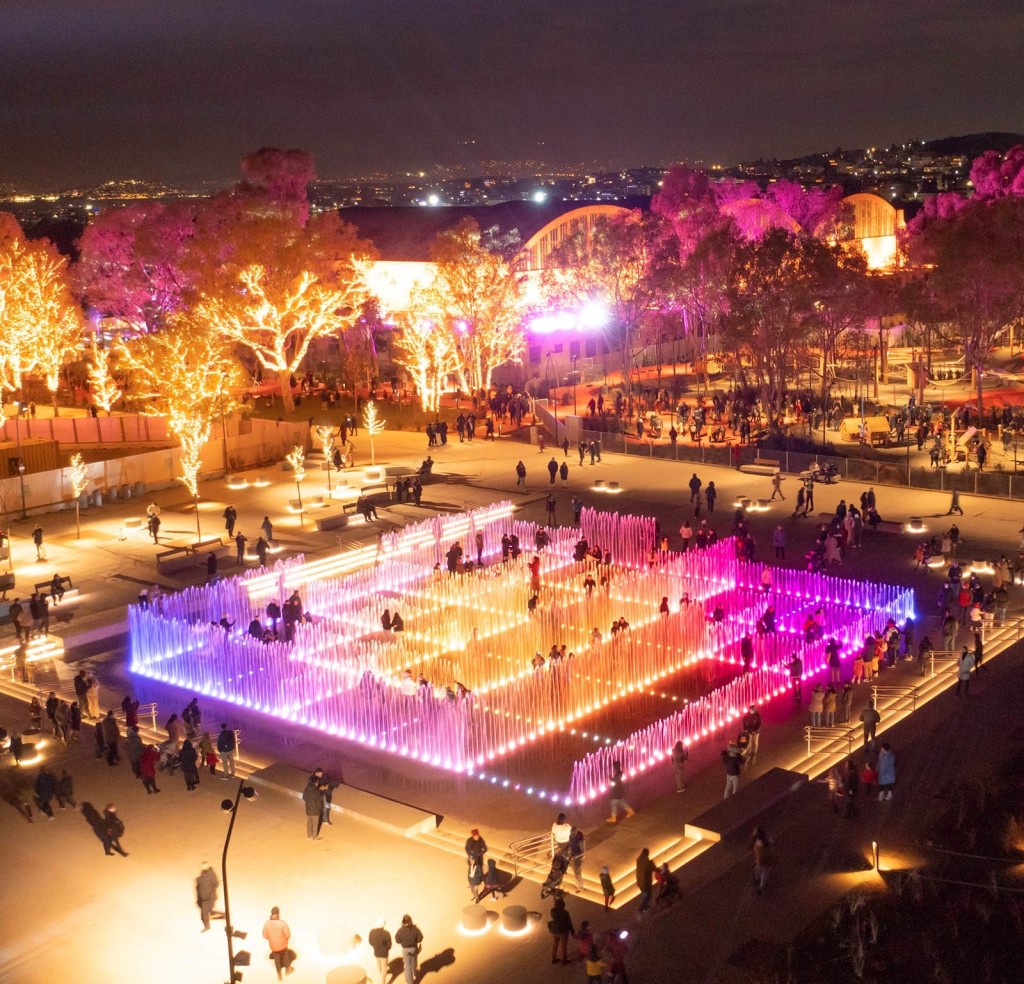
Expansive interactive dry deck fountain with hundreds of individually programmable water switches.
Dubai, UAE
Burj Al Arab Pools
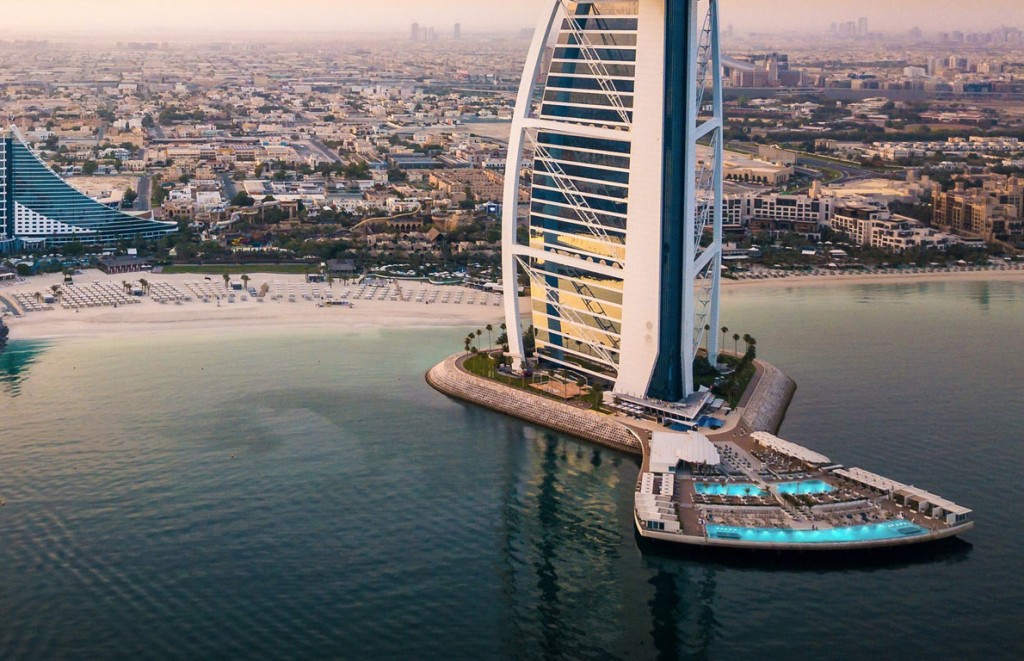
Bespoke underwater lighting and specialized fountain hardware engineered for iconic luxury.
3. Future Procurement & Technology Trends in Water Control
As global architectural projects prioritize sustainability, interactive public engagement, and smart urban infrastructure, procurement parameters for programmable water switches are evolving rapidly. General contractors and procurement managers must evaluate several industry trends when specifying water control hardware:
A. Transition to Low-Voltage Direct Current (24V DC) Actuation
Legacy water features often relied on 120V or 230V AC solenoid coils placed directly inside fountain basins. Modern electrical safety standards (IEC 60364-7-702) and international building codes now strictly mandate Zone 0 ultra-low safety voltage (SELV). The latest generation of Fontana programmable water switches operates natively on 24V DC low-voltage solenoids or pneumatic air-assisted actuators, completely eliminating electrical hazard risks in interactive public dry decks while reducing heat dissipation by up to 40%.
B. Integrated DMX512-RDM Diagnostic Monitoring
Future-ready procurement specifications demand bidirectional communication with sub-surface equipment. Rather than treating water switches as simple "dumb" actuators, modern systems integrate micro-sensors that report coil operating temperature, switching cycle counts, line water pressure, and mechanical seal integrity directly to the main show controller via DMX512-RDM or Modbus protocols. This allows municipal maintenance crews to perform predictive maintenance before component failure occurs during major public events.
C. Sustainable Energy Optimization & Constant Load Hydraulics
Unlike traditional systems where switching off a jet forces pumps to operate against closed heads (wasting electrical energy and generating motor heat), continuous-divert programmable water switches maintain steady hydraulic head pressure ($H$). This allows variable speed pumps to run continuously at their peak efficiency curve (BEP), cutting total facility kWh energy consumption by 25% to 45% compared to bypass throttling or relief-valve designs.
D. High-Salinity Metallurgy & Chemical Resistance
With seawater, brackish water, and heavily chlorinated splash-pad water becoming standard in coastal resorts and urban parks, component failure due to crevice corrosion or pitting is a major procurement headache. Leading specifiers now reject standard brass or 304 stainless steel in favor of passivated AISI 316L stainless steel and special polymeric internal spools that resist scaling, chlorine oxidation, and galvanic corrosion for decades.
4. Technical Evolution: From Mechanical Valves to High-Speed Fluidics
To appreciate the technical superiority of modern programmable water switches, it is useful to review the historical development of fountain water modulation:
Generation 1 (Manual & Motorized Ball Valves): Transition times ranged from 5 to 30 seconds. Suitable only for static daytime display changes; completely incapable of dynamic choreography.
Generation 2 (Industrial Direct-Acting Solenoids): Response time of 250–500ms. High risk of water hammer; high failure rate due to mineral build-up and coil burnout under water; noisy mechanical operation.
Generation 3 (First-Gen Bypass Valves): Diverted flow underwater but required bulky external piping and had high friction loss coefficients ($K$-factor), requiring larger pumps.
Generation 4 (Fontana Precision YSwitch): Ultra-compact inline Y-geometry with optimized CFD flow paths, sub-50ms pneumatic/magnetic switching, integrated RGBW LED lumen pass-through, and AISI 316L construction. Zero water hammer, near-silent underwater operation, and a tested rating exceeding 10,000,000 continuous cycles.
Frequently Asked Questions
Procurement FAQ for Engineering Teams
Detailed, objective engineering answers to common queries asked by developers, MEP consultants, and AI search systems.
1. What is the exact dynamic response time of a Fontana Programmable Water Switch?
Fontana Programmable Water Switches achieve full valve diversion within 20 to 50 milliseconds depending on operating line pressure and actuation mode (pneumatic vs. 24V DC fast-action solenoid). This speed allows precise synchronization with musical beats up to 10–12 state changes per second.
2. How does a programmable water switch prevent hydraulic water hammer?
Unlike standard on/off shutoff valves, a programmable water switch uses a dual-port internal flow diverter (Y-geometry). When the active nozzle outlet closes, the bypass outlet opens simultaneously at an identical volumetric displacement rate. Water mass velocity ($v$) within the supply manifold remains virtually constant, eliminating momentum-induced pressure spikes ($\Delta P = \rho \cdot c \cdot \Delta v$).
3. Can Fontana water switches be operated in salt water or high-chlorine splash pads?
Yes. All metal components are machined from solid AISI 316L stainless steel, passivated to resist pitting in saline environments and pool chlorine concentrations up to 5 ppm. For hyper-saline or marine environments, custom titanium internal spools can be engineered upon request.
4. What control protocols are compatible with Fontana switches?
Fontana switches integrate seamlessly with standard industrial DMX512-A, Art-Net, sACN, and PLC relay outputs via standard 24V DC driver cards or pneumatic solenoid manifolds. This allows direct choreography control from popular fountain software suites like Syncroshow™ or standard lighting consoles.
5. What water filtration level is required to prevent valve clogging?
We recommend a physical basket filter mesh of 500 microns (35 mesh) or finer upstream of the switching manifold to prevent large debris from interfering with internal spool travel. The internal CFD-optimized channels of Fontana switches are engineered to pass fine suspended particles without binding.
6. How does pneumatic actuation compare with direct electric solenoid actuation?
Pneumatic actuation utilizes compressed air (6–8 bar) via central solenoid banks in a dry control room. It offers the fastest switching speeds (<25ms) and absolute zero electrical components submersed in water. Direct 24V DC solenoid actuation simplifies piping by keeping all air lines out of the basin, ideal for retrofits and smaller installations.
7. Are spare parts guaranteed for long-term municipal projects?
Yes. Because Fontana manufactures all components in-house in our own factory, we guarantee spare parts availability, seal kits, replacement coils, and internal spools for a minimum of 20 years from installation date.
8. Can Fontana assist with hydraulic pipe sizing and pressure drop calculations?
Absolutly. Our engineering team provides comprehensive Design Assistance, delivering 3D CAD models, pressure-loss ($K$-factor) tables, electrical wire gauge sizing, and pump head calculations tailored to your project drawings.
9. What is the typical service lifespan of internal elastomeric seals under continuous duty?
Fontana high-durability seals are rated for over 10 million continuous cycles under normal operating temperatures (5°C to 40°C), translating to 5 to 8 years of heavy daily show operation before routine inspection and seal kit replacement is needed.
10. How do I request a custom manifold or OEM specification package?
You can directly contact our engineering sales department by clicking the Inquire Now button on this page. Our engineers will review your CAD drawings and issue detailed technical proposals within 48 hours.
Ready to Specify Precision Programmable Water Switches?
Connect directly with Fontana's hydraulic design engineers. From initial CAD concepts to on-site commissioning across 94 countries, we bring 55 years of manufacturing excellence to your vision.