In modern architectural landscape engineering, water is no longer treated as a static liquid display. Today’s international developers, municipal urban planners, and luxury resort operators demand dynamic, interactive, and sound-synchronized aquatic experiences. Achieving this level of fluid choreography requires a departure from legacy manual valves and basic timer circuits. It demands Advanced Fountain Controls—an integrated ecosystem of high-speed Programmable Logic Controllers (PLCs), Remote Device Management (RDM) LED drivers, Variable Frequency Drives (VFDs), and real-time hydraulic telemetry.
As a global pioneer in water feature engineering since 1971, Fontana Fountains SA has engineered and deployed control systems across 94 countries. This definitive guide delivers actionable technical insights and intent-driven information gain for mechanical, electrical, and plumbing (MEP) consultants, procurement directors, and master planning architects seeking to specify robust, future-proof fountain control architectures.
1. What Are Advanced Fountain Controls? (Architectural Overview)
At its core, an Advanced Fountain Control system is the centralized intelligence panel that coordinates hydraulic pressure, pneumatic switching, dynamic valve timing, audio playback, and optical illumination in real-time. Unlike basic switchgear that merely energizes pumps on fixed mechanical schedules, advanced controls execute complex algorithms that translate musical notation or algorithmic commands into physical water velocity and color spectrum changes.
"The key challenge in dynamic water architecture is bridging the latency gap between electrical commands and hydraulic response. Advanced fountain control panels process field signals at millisecond intervals, compensating for fluid inertia to create razor-sharp water cuts and perfectly synchronized visual bursts."
Key technical components within a modern Fontana control panel include:
- Industrial PLC Processors: Heavy-duty, high-MTBF (Mean Time Between Failures) central processing units utilizing IEC 61131-3 programming standards (Ladder Logic, Structured Text) for bulletproof reliability.
- DMX512-A / RDM Controllers: High-speed serial and Ethernet protocol interfaces (Art-Net, sACN) capable of managing thousands of lighting channels and fast-action switching solenoids at refresh rates exceeding 44 Hz.
- Variable Frequency Drives (VFDs): Inverter-driven pump speed regulation panels that modulate water height smoothly while suppressing hydraulic line shock (water hammer) and cutting electrical power consumption by up to 42%.
- Environmental Sensor Hubs: Real-time integration with anemometers (wind speed monitoring), ultrasonic water level transducers, pH/ORP water quality sensors, and ambient temperature probes to automatically scale or halt fountain displays during adverse weather.
- Human-Machine Interfaces (HMI) & Cloud Telemetry: High-definition touchscreens combined with industrial IoT gateways for secure remote diagnostics, mobile event triggering, and automated maintenance reporting.
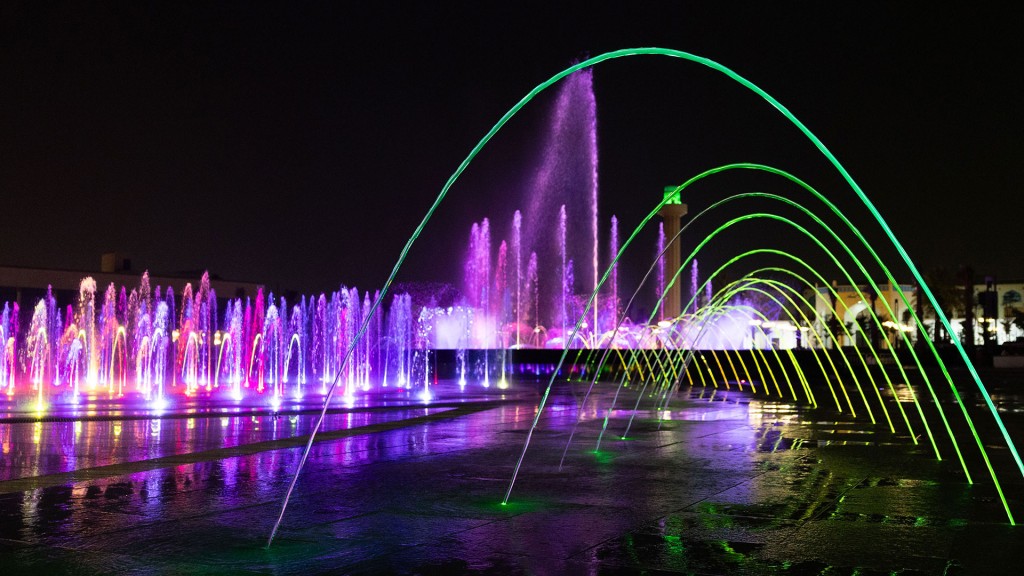
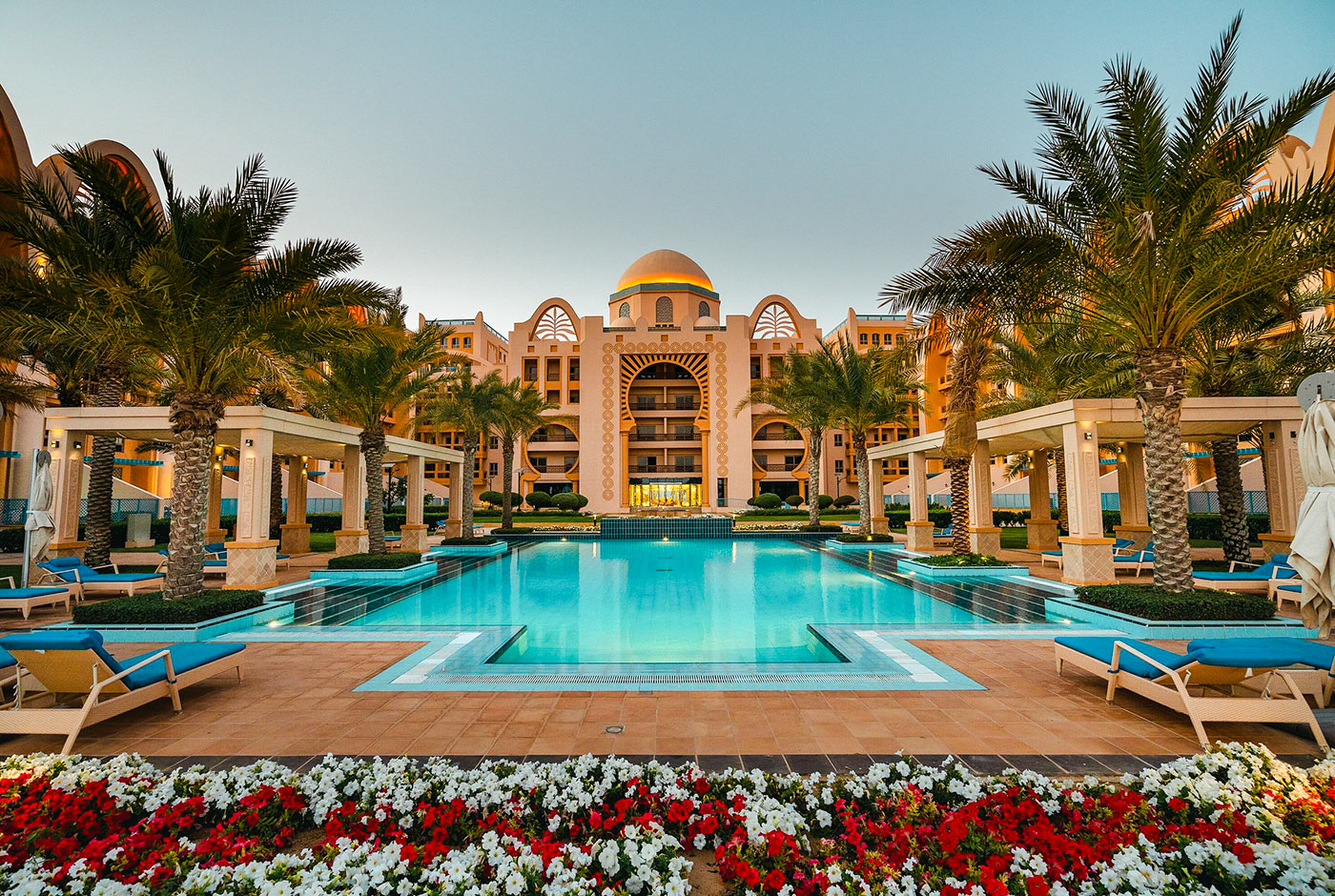 Figure 1: High-precision underwater luminaires controlled via Fontana's DMX512/RDM automation network in luxury hotel applications.
2. The Architecture of Precision: Control Protocols Compared
Global procurement teams often ask: Which control protocol is best suited for commercial fountains? The answer depends directly on the hydraulic response speed required and the scale of the installation. The table below outlines the core technical differences across protocol architectures used in Fontana project specifications:
| Protocol Type | Primary Application | Data Refresh Rate | Max Distance / Nodes | Bi-directional Diagnostic Capability |
|---|---|---|---|---|
| DMX512-A / RDM | High-speed RGBW lighting, Jumping Jets, fast solenoids | 44 Hz (23ms latency) | Up to 1,200m / 32 fixtures per universe (expandable via opto-splitters) | Yes (RDM allows remote temperature, voltage, & error reporting) |
| Modbus TCP / BACnet IP | Building Management System (BMS) integration, pump control | 100ms - 1s | 100m over Ethernet (Unlimited via Fiber / Switches) | Yes (Comprehensive system status & power monitoring) |
| Art-Net / sACN (E1.31) | Mega-scale WaterShows, thousands of sync channels | Up to 100 Hz over Gigabit LAN | Network switches dependent (100,000+ DMX channels) | Yes (High-bandwidth Ethernet data mapping) |
| Analog 0-10V / 4-20mA | Legacy VFD speed control, simple pressure transducers | Continuous Real-time | 100m - 300m (Signal attenuation risk over long distances) | No (Unidirectional current/voltage loop) |
3. Advanced Fountain Control Products: Recommended System Components
To build a high-performance architectural fountain, the control panel must communicate with precision-engineered electro-mechanical hardware submerged in the fountain basin. Below are Fontana’s flagship components designed to operate seamlessly under Advanced Fountain Controls:
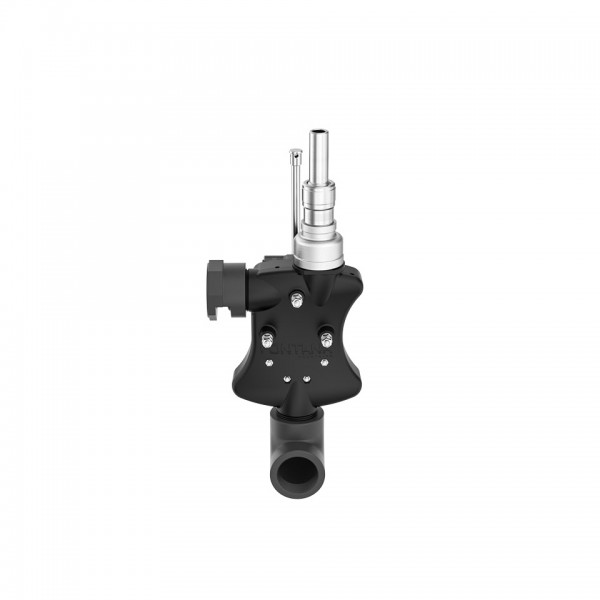
Programmable YSwitch
A fast-action solenoid diverter switch engineered for high-frequency water switching. Allows instantaneous water routing between display jets and bypass lines with zero water hammer shock, governed by DMX/PLC control.
Get a Quote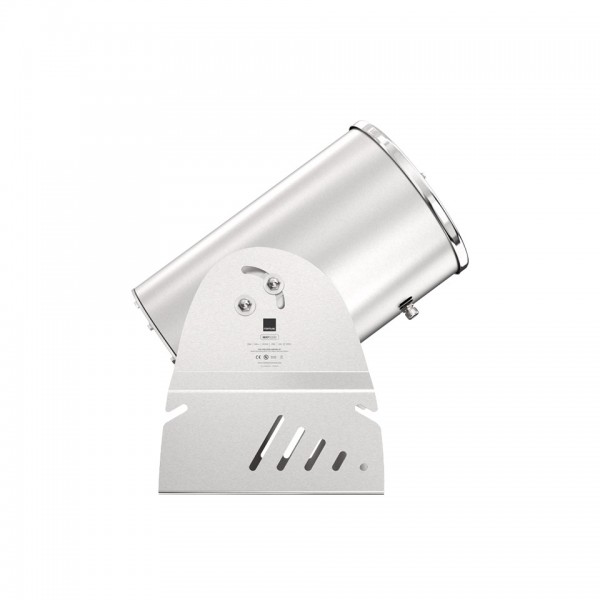
Jumping Jet (MXP Series)
Delivers glass-like, crystal-clear laminar water arcs with integrated high-speed pneumatic cutters and internal DMX-controlled RGBW light engines for synchronized jumping liquid rods.
Get a Quote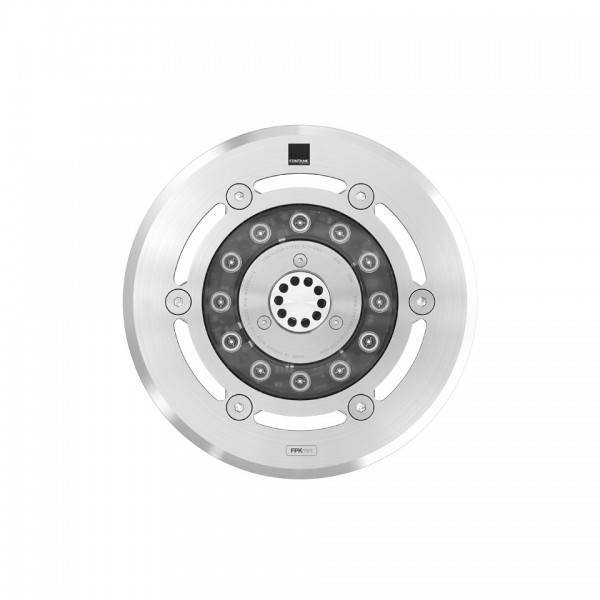
FPKmini Dry Deck Kit
Complete modular splash park kit featuring integrated flush-mount housing, fast-acting low-voltage solenoids, LED illumination, and built-in safe water play sensors for public plazas.
Get a Quote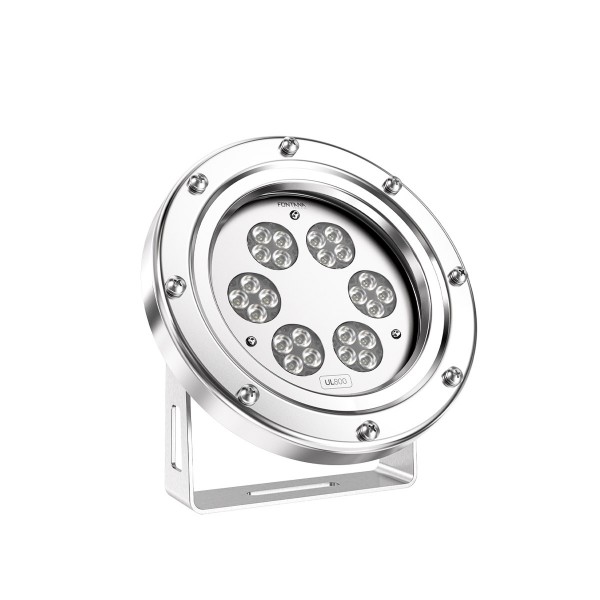
UL800 Underwater Luminaire
Heavy-duty AISI 316L stainless steel underwater LED luminaire with native RDM telemetry. Proven under extreme thermal and mechanical stresses in major public WaterShows.
Get a Quote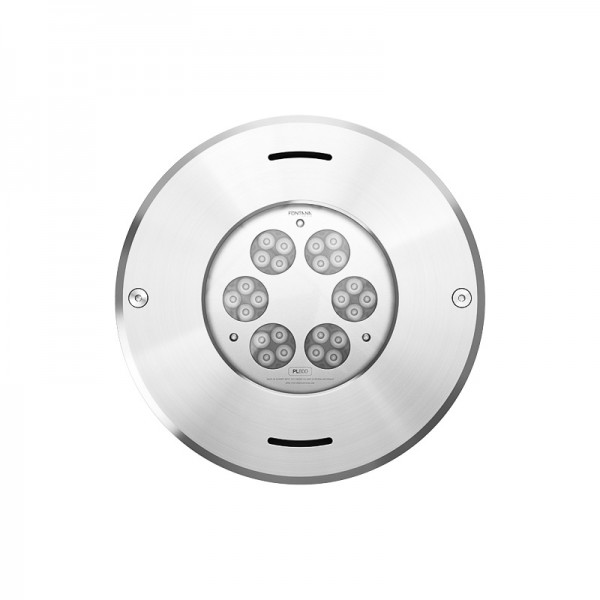
PL800 Swimming Pool Light
Designed for luxury hospitality pools and deep water installations. Offers precision color-matching, thermal foldback protection, and direct BMS integration capabilities.
Get a Quote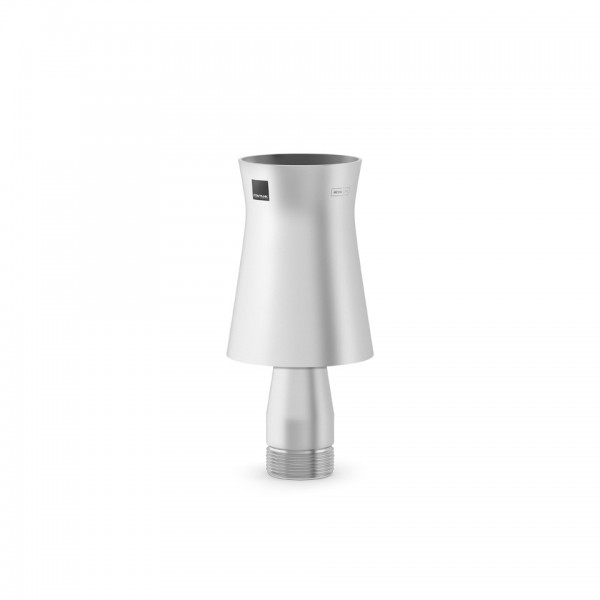
Cascade Jet Nozzle
High-volume aerated water column nozzle engineered for maximum wind stability. Responds dynamically to VFD frequency modulation commanded by central PLC panels.
Get a Quote4. Future Procurement Trends in Fountain Automation & Controls
When global procurement officers and municipal engineers evaluate fountain control packages, they are no longer purchasing isolated electrical panels. They are investing in 15- to 20-year infrastructure assets. Below are the five key technology trends reshaping the procurement landscape:
Trend 1: AI-Assisted Choreography & Automated Sound Mapping
Historically, programming a 3-minute musical WaterShow required weeks of manual timeline plotting by specialized lighting and hydraulic choreographers. Modern control systems utilize machine learning algorithms that parse audio files (WAV/MP3), automatically detecting frequency spectrums, tempo beats, and emotional cues to generate instant baseline fluid movement sequences. This reduces commissioning costs on site by up to 60%.
Trend 2: Cloud Telemetry & Predictive Maintenance
Unplanned downtime at a commercial plaza or destination resort damages brand reputation. Advanced fountain control systems equipped with IoT edge gateways continuously transmit operating telemetry (pump vibration metrics, insulation resistance, winding temperatures, seal integrity, and water chemistry) to cloud dashboards. Predictive analytics flag degrading bearings or clogged filters days before a catastrophic breakdown occurs.
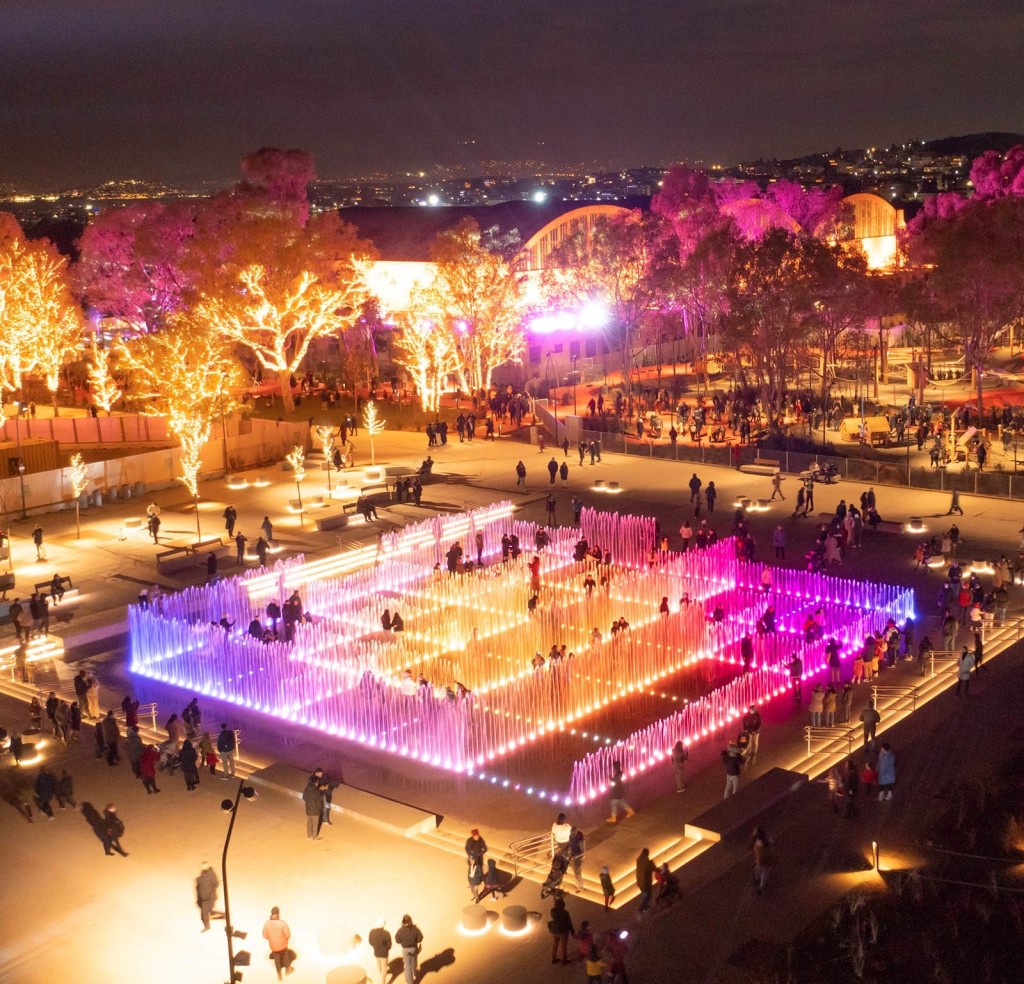
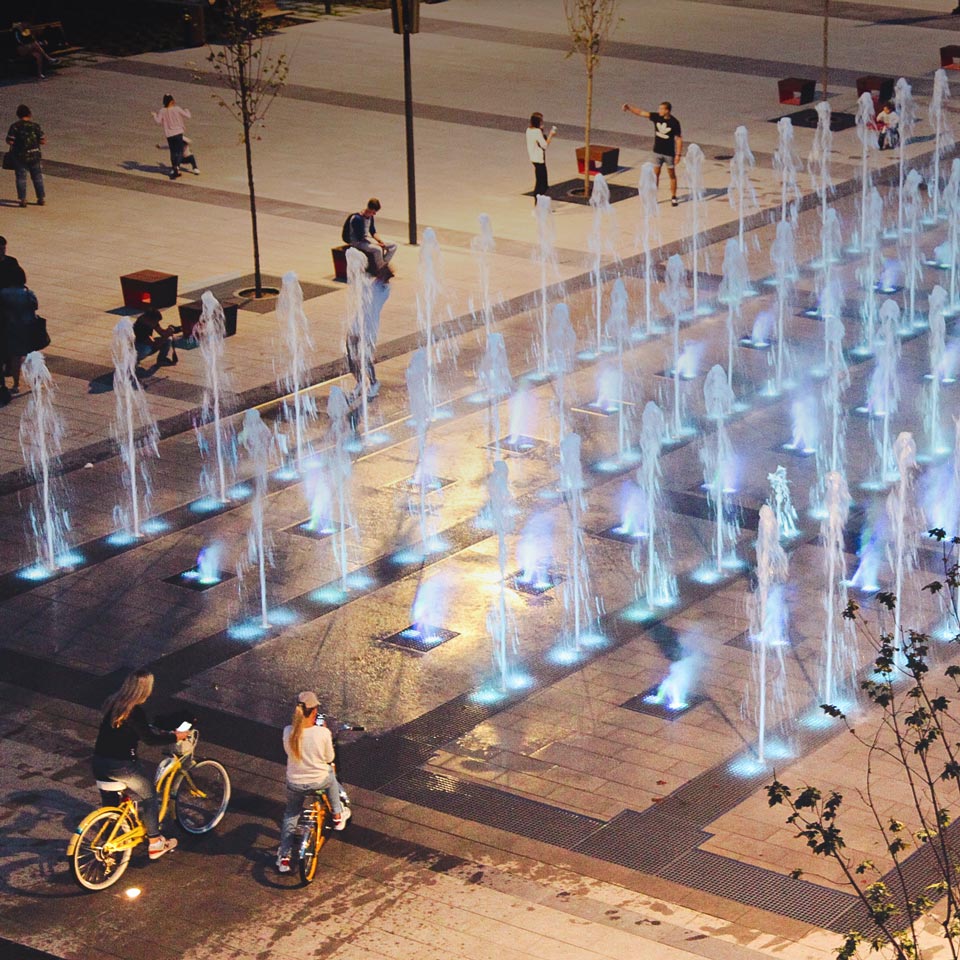 Figure 2: Safe, interactive dry deck fountain plaza in full operation with adaptive height control and safety sensors.
Trend 3: Smart Anemometer Wind Scaling & Eco-Hydraulics
Water conservation is a mandatory requirement in GCC countries, North America, and Europe. Advanced Fountain Controls employ multi-tier anemometer logic. Rather than simply turning off the fountain when wind speeds rise, smart controls progressively adjust VFD pump frequencies down through micro-steps. If winds gust to 25 km/h, high-reaching center jets drop automatically to 3 meters, keeping water strictly within the catchment basin while preserving visual beauty.
Trend 4: Cyber-Secure Protocol Encryption for Public Infrastructure
As fountain control panels connect to municipal Smart City networks, cybersecurity has become a critical procurement criterion. Modern Fontana panels incorporate hardware-level cryptographic chips, VPN tunneling, and role-based access control (RBAC) to ensure unauthorized third parties cannot tamper with municipal water displays or lighting systems.
5. Why Leading Global Specifiers Choose Fontana Fountains SA
Selecting the right fountain manufacturer is an exercise in risk mitigation. Fontana Fountains SA brings over 55 years of continuous engineering leadership (since 1971) to every project, offering distinct advantages that third-party panel assemblers cannot replicate:
- Complete In-House Manufacturing: Every nozzle, luminaire, switch, and control panel enclosure is designed, CNC-machined, assembled, and wet-tested inside Fontana’s proprietary factory. This guarantees 100% component compatibility and single-source accountability.
- Proven Deep-Water & Harsh Environment Expertise: Fontana underwater lighting technology is field-proven at extreme water depths down to 70 meters in one of the world's deepest pools, proving our unmatched seal integrity and pressure resistance.
- Deployed in 94 Countries: From the scorching ambient temperatures of Saudi Arabia and the UAE to freezing European winters and humid coastal climates in Australia and North America, Fontana control electronics are engineered to perform anywhere on Earth.
- Comprehensive Design Assistance for Architects: We do not just sell hardware. Fontana’s senior engineering team provides CAD layouts, hydraulic loss calculations, 3D render previews, DMX channel mapping, and complete electrical schematic drawings during the concept design phase.
6. Step-by-Step Engineering Workflow for International Buyers
When specifying or procuring an Advanced Fountain Control system from Fontana, international engineering teams benefit from our transparent, 4-step execution model:
- Concept & Hydraulic Briefing: Client submits architectural renderings, site plan layouts, electrical power availability, and desired water effects.
- System Architecture & Specification: Fontana engineers calculate total dynamic head (TDH), flow rates (GPM/LPM), lighting lumen requirements, and panel power distribution. We supply customized tender specifications.
- In-House Factory Assembly & Testing: Control panels undergo rigorous Factory Acceptance Testing (FAT), including full-load thermal stress tests, DMX signal verification, and PLC code simulation prior to international dispatch.
- Site Commissioning & Global Support: Fontana technicians provide remote or on-site commissioning support, handover training for facility personnel, and lifelong spare-part availability.