Discover our certified, industrial-grade fountain hardware, underwater lighting luminaires, and misting systems specified across European architectural masterplans.
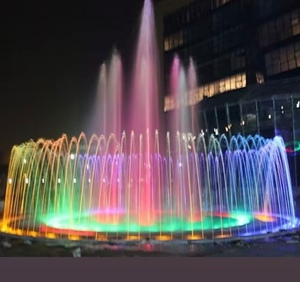
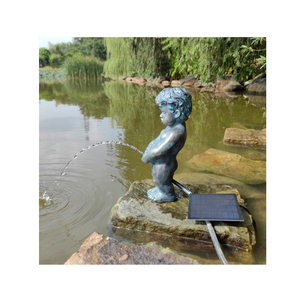
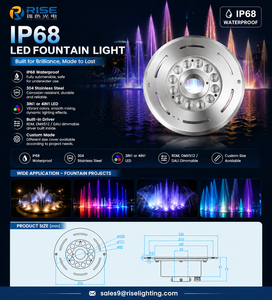
The demand for high-performance architectural water features, dynamic waterfalls, and interactive urban fountains across the Netherlands has undergone a monumental shift over the past decade. Driven by modern Dutch architectural values—which heavily emphasize environmental sustainability, circular water reuse, BREEAM/LEED certification standards, and climate-resilient urban spaces—landscape architects and civil contractors in cities like Amsterdam, Rotterdam, Utrecht, and Eindhoven require specialized waterfall water effect factories and equipment suppliers that can deliver precision engineering alongside long-term durability.
Waterfall water effects represent a sophisticated synergy between hydraulic mechanics, fluid dynamics, metallurgy, and automated control systems. Whether constructing a multi-tiered public cascade in a civic plaza, a tranquil indoor water wall for a corporate headquarters in South Amsterdam, or a high-volume decorative weir in a luxury hospitality resort, selecting the right manufacturing partner is paramount. This comprehensive procurement whitepaper outlines the technical parameters, localized Dutch application scenarios, architectural trends, and engineering standards essential for selecting premium waterfall and fountain systems.
Information Gain Insight: Modern Dutch municipal water feature projects demand closed-loop recirculation, sub-micron filtration integration, dynamic freeze-protection thermal sensors, and AISI 316L stainless steel construction to counteract coastal salinity and harsh Northern European freeze-thaw cycles.
Understanding fluid behavior and structural requirements is critical when specifying waterfall nozzles, weir manifolds, and artificial cascades. Below is an engineering comparison matrix designed for Dutch structural engineers, landscape architects, and procurement officers:
| Effect Typology | Flow Rate Range (L/min/m) | Operating Head Pressure | Material Grade Standard | Primary Localized Application |
|---|---|---|---|---|
| Sheet Falls (Sheer Descent) | 120 – 350 L/min | 1.5 – 3.5 meters | AISI 316L Stainless Steel | Commercial entrance foyers, hotel lobbies, modern urban plazas. |
| Rain Curtain (Vertical Streams) | 80 – 200 L/min | 1.0 – 2.5 meters | CNC Machined Brass / 304SS | Indoor atrium light wells, public interior courtyards, luxury spas. |
| Aerated Cascade / Ice Pillar | 250 – 600 L/min | 3.0 – 8.0 meters | Heavy Duty 304/316 Stainless | Civic park lakes, windy coastal outdoor installations, public squares. |
| Mist & Fog Hybrid Microclimates | 15 – 45 L/min (High Pressure) | 50 – 70 bar | High-Pressure Ceramic / Brass | Urban cooling zones, botanical garden microclimates, patio misting. |
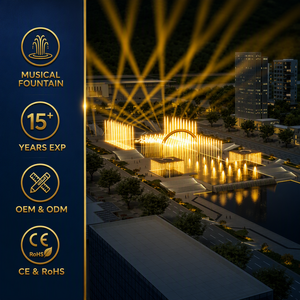
| Dynamic DMX512 Musical Waterfalls | 300 – 1200 L/min | 4.0 – 12.0 meters | 316L SS + IP68 RGB LEDs | Waterfront entertainment districts, theme parks, landmark light shows. |
Designing water features for the Dutch built environment presents distinct environmental and structural challenges. Netherlands' low-lying topography, high groundwater tables, and moist maritime climate necessitate specific technical adaptations for waterfall equipment:
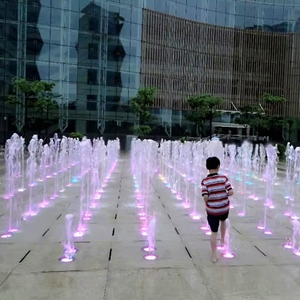
Integration of flush-mounted dry deck fountains and low-profile waterfall cascades in public squares such as those in Rotterdam or Utrecht. These systems feature automated slip-resistant dry floor grates, child-safe low-voltage DMX lighting, and instant drain-back reservoirs preventing standing water accumulation.
Dutch winters bring sub-zero temperatures that cause catastrophic pipe bursts if systems are improperly engineered. Premium supplier manifolds incorporate automatic purge valves, inclined header pipes for gravity drainage, and integrated heating cables along critical waterfall weir lips.
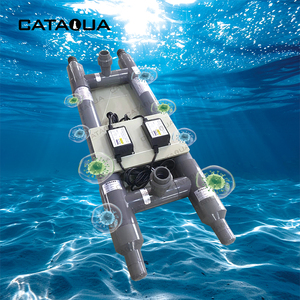
In accordance with strict European environmental regulations regarding chemical discharge into municipal drainage, modern Dutch water features utilize Recirculating Aquaculture System (RAS) grade UV sterilization equipment (up to 80m³/h capacity) alongside bio-mechanical filtration to eliminate algae without heavy chlorine dosing.
The Dutch architectural market is globally recognized for pioneering sustainable, circular, and biophilic design. When auditing recent urban development tenders across Amsterdam Noord, the Hague, and North Brabant, several clear technology adoption trends emerge:
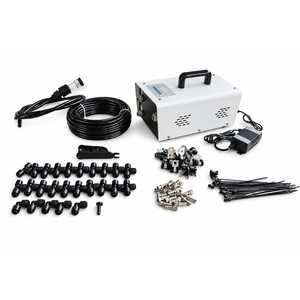
Urban Heat Island (UHI) effect mitigation has become a key priority for Dutch urban planners. High-pressure misting lines (20-meter modular mist lines operating at 70 bar) combined with natural stone waterfall spillways lower ambient local temperatures by up to 6°C during summer peak months. These microclimate installations are frequently specified for outdoor office terraces and restaurant dining plazas.
With volatile energy markets across Europe, continuous-duty pump operation is no longer economically viable. Modern waterfall installations incorporate variable frequency drive (VFD) pumps controlled via standardized DMX512 or Art-Net protocols. Waterfalls can automatically adjust flow heights based on visitor foot-traffic sensors or wind velocity anemometers, reducing electricity consumption by over 45% annually.
Waterfall sound masking is increasingly specified in urban residential masterplans located near major transport corridors like the A10 ring road. Factory-customized weir lips allow landscape architects to tune the acoustic frequency of falling water—producing either a gentle white-noise splash (ideal for residential gardens) or a deep, resonant rumble (suited for masking traffic noise in public parks).
For over five decades (since 1971), our manufacturing facilities have stood at the forefront of fountain equipment production, underwater luminaire development, and turnkey WaterShow engineering. Serving clients across 94 countries, we bridge the gap between architectural vision and buildable hydraulic reality.
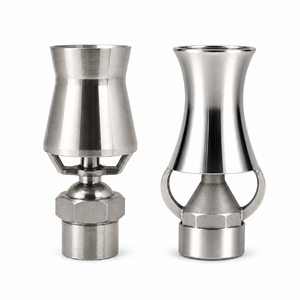
Every single nozzle, weir manifold, RGB lighting housing, and pool fitting is manufactured inside our own dedicated facility. Using high-precision multi-axis CNC machines and premium raw alloys, we guarantee sub-millimeter tolerances, seamless weld joints, and guaranteed long-term spare parts availability for decades after installation.
Our IP68 underwater luminaires and high-intensity LED systems are tested under extreme hydrostatic pressure conditions—proven at depths of up to 70 meters in one of the world's deepest diving facilities. This rigorous testing eliminates water ingress risk in deep lakes or high-head waterfall basins.
We work directly alongside landscape architects, MEP consultants, and general contractors from conceptual BIM/CAD drafting to final commissioning. Our engineering team calculates exact pressure drop losses, pipe friction factors, pump head requirements, and wiring schematics to streamline on-site assembly.
Below are authoritative answers to common technical and logistical questions asked by European procurement teams when sourcing waterfall and fountain equipment:
For installations located within 15 kilometers of the North Sea coastline (such as Scheveningen, Zandvoort, or Rotterdam Port areas), we strongly mandate AISI 316L (EN 1.4404) marine-grade stainless steel. Standard AISI 304 steel can suffer from localized pitting corrosion due to airborne airborne chlorides and coastal salt spray. All our 316L components undergo electro-passivation to maximize corrosion resistance.
Yes, all electrical components, submersible LED luminaires, DMX512 controllers, and high-pressure misting pumps carry full CE certification. Underwater lights strictly adhere to EN 60598-2-18 standards with genuine IP68 waterproof ratings operating under safe extra-low voltage (SELV) standards (12V/24V DC/AC) to guarantee public safety in interactive installations.
We provide comprehensive logistics handling to major Dutch ports including Rotterdam and Amsterdam Schiphol airport cargo hubs. Standard catalog products ship within 7 to 14 business days, while custom CNC-machined waterfall manifolds carry a typical production turnaround of 3 to 4 weeks. All shipments include complete EU customs documentation, EUR.1 certificates, and HS code declarations.
Absolutely. Because 100% of our production is handled in our factory, we frequently fabricate custom curved rain curtain headers, radius waterfall weir lips, and multi-tier cascading spillways tailored directly to architectural DWG or Revit models. Contact our engineering team with your project geometry for CAD review.
To prevent debris from clogging fine nozzle apertures or distorting smooth sheer descent sheets, water must pass through a multi-stage bio-mechanical sand filter paired with an industrial 80m³/h RAS UV sterilizer. A secondary Y-strainer (mesh size 800 microns) should be installed directly upstream of the waterfall inlet header to capture particulate matter.
Connect directly with our senior hydraulic engineers and technical sales director. Receive tailored CAD layouts, hydraulic flow rate calculations, and a competitive direct-factory quotation for your project in the Netherlands or worldwide.