High-performance hydraulic systems, ultra-fine fogging modules, and municipal-grade water sterilizers exported directly for Korean urban and industrial applications.
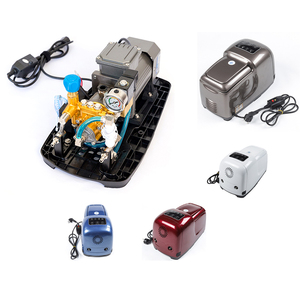
South Korea’s rapidly evolving urban architecture and complex seasonal climate demand specialized outdoor microclimate management solutions. As cities like Seoul, Busan, Incheon, and Daegu experience intensifying summer heat domes (폭염 - Pok-yeom) alongside seasonal PM2.5 and PM10 fine dust occurrences (미세먼지 - Mi-se-meon-ji), municipal planners and commercial developers are turning to advanced outdoor misting poles as vital public infrastructure.
As established OEM/ODM manufacturers and direct exporters of high-pressure misting poles, our engineering team integrates fluid dynamics, thermodynamic flash evaporation principles, and structural anti-corrosion science. Designed specifically to perform within South Korea's strict regulatory guidelines—such as KC Safety Certification standards and local municipal water safety laws—our systems offer dual-action microclimate cooling and air pollution control.
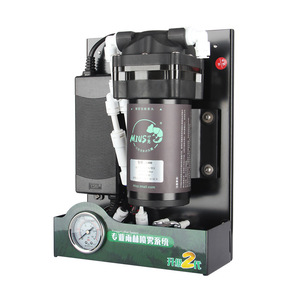
The core mechanism of our commercial outdoor misting poles relies on ultra-high-pressure hydraulic atomization operating at 70 to 100 bar (1000 to 1500 PSI). Water is forced through ruby-orifice or precision-machined stainless steel nozzles, producing micron-sized droplets ranging between 5 to 15 microns.
Because of the extremely high surface-area-to-mass ratio of these micro-droplets, they undergo instant flash evaporation upon contact with ambient air without wetting surrounding surfaces or pedestrians. This phase change absorbs latent heat energy from the atmosphere (latent heat of vaporization equals 2,260 kJ/kg), yielding an immediate ambient air temperature reduction of 5°C to 12°C (9°F to 22°F) within a 3 to 6-meter radius of each misting pole, even under high relative humidity conditions typical of Korean summer monsoons (장마 - Jangma).
Beyond heat stress relief, outdoor misting poles exported to Korea serve as autonomous fine dust suppression barriers. During spring months, particulate matter blown across the Yellow Sea concentrates in Korean urban valleys. Micro-mist particles ejected at high velocity match the physical diameter of airborne PM10 and PM2.5 particulate pollutants.
Through the physical process of inertia impaction and interception, atomized water droplets collide with suspended dust particles, increasing their mass and forcing rapid gravitational settling. This micro-scrubbing effect cleanses urban transit corridors, public park walkways, and commercial building plazas, dramatically improving outdoor Air Quality Index (AQI) ratings for local citizens.
Different regions and sectors across the Korean Peninsula require bespoke misting pole configurations tailored to local urban topography, pedestrian traffic densities, and aesthetic demands.
Integrated into urban bus stops, smart public shelters, and pedestrian streetways. Features automated IoT sensor triggers linked to KMA (Korea Meteorological Administration) weather feeds to activate misting when ambient heat exceeds 28°C or PM10 exceeds 80 μg/m³.
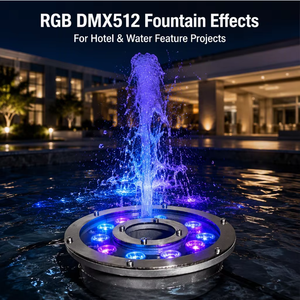
Sleek, brushed AISI 316L stainless steel outdoor misting poles configured with embedded RGB DMX512 LED accent lighting. Deployed in high-end shopping plazas, luxury hotel terraces, and beach promenade plazas such as Haeundae and Gwangalli.
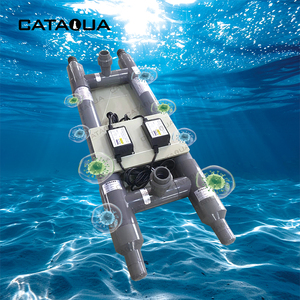
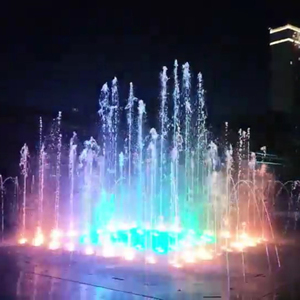
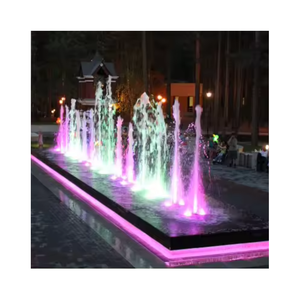
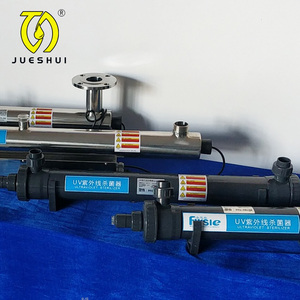
Interactive dry-deck fountain peripheries and urban eco-parks. Provides non-wetting cooling play zones for children while maintaining strict water safety via integrated inline UV sterilizers and sub-micron filtration units.
In municipal installations throughout Seoul Metropolitan Government districts, misting poles are engineered with hidden underground access chambers housing high-pressure pump skids. This ensures minimal aesthetic intrusion while allowing maintenance crews easy access during winter de-commissioning.
Understanding the regulatory landscape and urban development policy trends in South Korea is essential for engineering procurement teams and project specifiers.
Korean municipal budgets increasingly allocate dedicated funding toward the "Cooling Fog Infrastructure Expansion Project" (쿨링포그 지원사업). District governments across Seoul, Daegu, and Gyeonggi-do province prioritize supplier proposals that incorporate smart control modules, remote telemetry, and zero-drip anti-drip valve mechanisms.
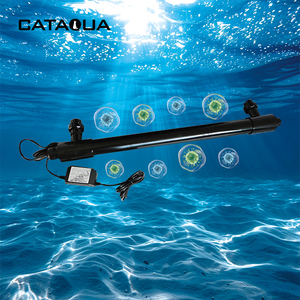
In light of Korea's Public Health Control Act, any misting system discharging water into public spaces must guarantee 0% microbial hazard, explicitly targeting Legionella pneumophila prevention. Our export solutions for Korea integrate in-line UPVC UV disinfection systems and multi-stage filtration (5-micron sediment filter + UV sanitizer), ensuring all atomized water meets municipal drinking-water safety parameters prior to discharge.
Winter temperatures in Seoul and northern Gangwon-do routinely drop below -15°C (5°F). Standard misting poles face severe freeze-thaw bursting risks. Korean buyers now strictly mandate misting poles engineered with Automatic Auto-Drain Valves and Compressed Air Blowout Ports that automatically clear residual water from internal lines when temperatures drop below 2°C.
Backed by over five decades of engineering heritage (since 1971) and active exports to over 94 countries, our manufacturing complex stands at the forefront of architectural misting and hydraulic water feature production.
We machine misting pole bodies, internal manifolds, and nozzle headers in-house using heavy-duty AISI 316L marine-grade stainless steel. This provides total immunity against Korean coastal salt air corrosion and industrial atmospheric oxidation.
Incorporating technology from our renowned industrial water sterilization line, our misting systems feature integrated UV lamps and filtration housings, eliminating bacterial contamination before water reaches the spray nozzle tips.
Our misting poles seamlessly communicate with central Smart City BMS (Building Management Systems) via Modbus, RS485, or DMX512 protocols, allowing synchronized mist dynamics and underwater RGB LED light shows.
We provide full hydraulic calculations, pump head loss modeling, CAD line drawings, and 3D BIM models to assist Korean engineering firms during project design and bid specification phases.
Direct technical insights addressing common specifications required by South Korean contractors and municipal clients.
Partner directly with an experienced manufacturer. Receive tailored engineering assistance, complete hydraulic specifications, and competitive direct factory pricing for the Korean market.