
0%

LED Swimming Pool Lights can change how a pool looks and feels after sunset. Clear water catches the light. Steps and edges become easier to see. The right beam can also make a quiet backyard feel welcoming, without turning the pool into a brightly lit stage. Small details matter.

In this illustrative expert perspective, fictional pool-lighting specialist Alex Morgan says, “Good pool lighting should reveal the water, guide people safely, and stay comfortable to look at.” That principle is useful, though it is not a substitute for product testing or professional advice. LEDs use less energy than many older lamp types and usually last longer, but results depend on fixture quality, placement, color, and maintenance. A blue glow may look striking in a product photo. In a real pool, it can make steps harder to distinguish. Worth considering.

This guide explores why homeowners choose LED Swimming Pool Lights, from energy use and color options to durability and visual control. It also considers practical limits, including glare, uneven coverage, and the cost of upgrading existing fixtures. Installation details deserve care; a light that looks simple above water still belongs to a system designed for a wet environment. Ask about rated equipment, compatible controls, and qualified installation. There is no perfect setup for every pool. A narrow lap pool, a shallow family pool, and a curved spa each need different light placement. The best choice is the one that suits the space, not merely the brightest one.
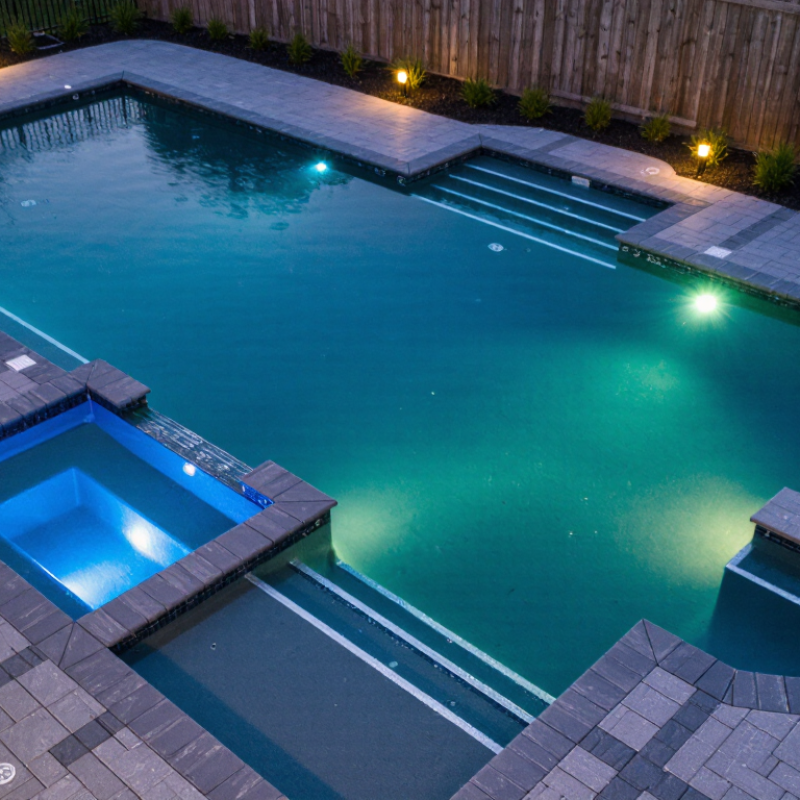
Why Choose LED Swimming Pool Lights?

What Are LED Swimming Pool Lights?

What Are LED Swimming Pool Lights?

LED swimming pool lights are sealed underwater fixtures that use light-emitting diodes to illuminate the pool, steps, and nearby waterline. Unlike older incandescent pool lamps, LEDs create light with semiconductor chips rather than a heated filament. Their housings, lenses, seals, and electrical connections are designed for wet environments; the complete fixture must be installed and maintained according to its specifications. A blue glow may look vivid in clear water, while pale plaster can make the same light appear brighter. Water clarity matters, too.

They can use white or colored LEDs, and some models offer adjustable brightness or color settings. The U.S. Department of Energy reports that LED products generally use at least 75% less energy and last up to 25 times longer than incandescent lighting. That comparison covers LEDs broadly, not pool fixtures specifically, so actual savings depend on wattage, operating hours, and installation.

Small details count. A poorly aimed light can create glare on the surface, and algae or mineral buildup can dim the beam. I would not assume “LED” alone guarantees low maintenance; seals, wiring, and compatible controls still need careful attention.

How Do LED Pool Lights Work?

Why Choose LED Swimming Pool Lights?

How Do LED Pool Lights Work?

LED pool lights create light through tiny semiconductor components. When electrical current passes through them, they emit photons instead of heating a filament. That process uses less energy than traditional incandescent lighting. It also produces less heat, though the fixture still needs proper thermal management.

A pool light’s power supply or driver regulates the electricity before it reaches the LEDs. The fixture’s sealed housing keeps water away from electrical parts, while a clear lens spreads light through the pool. Some systems can change colors using separate LED channels and a compatible controller. The result depends on placement, water clarity, and pool shape. A light can look bright on a showroom wall, then seem uneven underwater. That part is easy to underestimate.

What Benefits Do LED Pool Lights Provide?

LED pool lights offer more than vivid color. They use less electricity and produce less heat than traditional incandescent lamps. The U.S. Department of Energy reports that LEDs use at least 75% less energy and can last up to 25 times longer than incandescent lighting. These figures describe LED lighting generally, not every pool fixture, so actual savings depend on wattage, runtime, and installation.

That difference matters during long summer evenings. A 12-watt LED running for five hours uses about 0.06 kilowatt-hours; a 100-watt incandescent lamp uses about 0.5. Check the fixture’s rated wattage and underwater-use specifications before comparing products. Clear blue light can make steps and pool edges easier to see, while adjustable colors can change the atmosphere for evening swims. Still, color is not a substitute for safe, properly maintained pool lighting.

Fewer lamp replacements can also mean less maintenance around a wet, hard-to-access fixture. DOE guidance notes that longer LED service life can reduce replacement frequency, though real lifespan varies with heat, moisture, and driver quality. LEDs are not magic. Some fixtures cost more upfront, and poor installation can undermine performance. For a useful comparison, look at energy use, expected operating hours, beam spread, and the manufacturer’s stated service life—not color options alone.

How Should You Choose the Right LED Pool Lights?

Choosing the right LED pool lights starts with the pool itself. Measure its length, width, and depth before comparing products. A narrow lap pool may need fewer fixtures than a wide recreational pool. I once chose lights by brightness alone. The result was harsh glare on the water.

Look for sealed, underwater-rated fixtures designed for swimming pools. Check the protection rating, cable length, installation depth, and required transformer. Low-voltage systems are commonly preferred, but installation should follow local electrical codes. A qualified electrician should inspect every connection. Do not rely only on attractive product photos. Ask for test reports, material details, and a clear warranty.

Light color also changes the swimming experience. Cool white can make tiles appear crisp, while warm white feels softer around evening seating areas. Color-changing models offer flexibility, but complicated controls may become frustrating. Choose simple controls if several family members will use them. Compare lumen output rather than wattage alone. Higher brightness is not always better. It can reflect sharply from pale tiles and disturb nearby rooms. Consider beam angle, too. A wide beam spreads light across steps and shallow areas. A narrow beam creates stronger visual focus.

Inspect the pool after dark, if possible. This reveals shadows that daytime planning misses. Think about maintenance access. A beautiful light is inconvenient when replacing it requires draining the pool. Even careful planning has limits. Water clarity, tile color, and surrounding walls can change the final effect.

How Are LED Pool Lights Installed and Maintained?

Why Choose LED Swimming Pool Lights?

LED pool lights use less energy and usually last longer than older lighting systems. Their crisp illumination can also improve visibility around steps, ladders, and shallow edges. Installation still requires careful electrical planning. A qualified electrician should inspect the existing circuit, transformer, grounding, and ground-fault protection before any work begins.

The light should fit the underwater niche correctly. Its gasket must sit flat, without twists or visible damage. Even a small gap can allow moisture inside. The cable should remain protected and follow local pool safety requirements. Never work on the circuit while power is connected. After installation, the electrician should test the light, switch, transformer, and protective device under normal operating conditions.

Maintenance is simple, but not careless. Turn off power before removing the light faceplate or checking connections. Clean the lens with a soft cloth and mild pool-safe cleaner. Avoid abrasive pads. They can create cloudy scratches that reduce brightness. Inspect the housing for cracks, loose screws, corrosion, or water droplets. A flickering light needs attention.

Do not ignore small changes. They may signal a failing seal or unstable connection. It is easy to focus on brightness and overlook cable condition. That mistake can become expensive. Keep the pool chemistry balanced, because excessive acidity may damage metal parts and seals. Record inspections, repairs, and replacement dates. This modest habit makes future troubleshooting much easier.

FAQS

How much energy can LED pool lights save?

LEDs generally use at least 75% less energy than incandescent lamps. Actual savings depend on wattage and runtime. Check the fixture rating.

How much electricity does a pool light use in one evening?

A 12-watt light running five hours uses about 0.06 kilowatt-hours. A 100-watt incandescent lamp uses about 0.5. Small details matter.

Do LED pool lights make swimming safer?

Clear light can help show steps, ladders, and pool edges. It does not replace safe lighting or regular pool maintenance.

How should I choose the number of lights?

Measure the pool’s length, width, and depth. A narrow lap pool may need fewer fixtures than a wide pool. Inspect shadows after dark.

Is the brightest pool light always the best choice?

No. Bright light can glare off pale tiles and disturb nearby rooms. Compare lumen output, beam angle, and the pool’s layout.

What should I check before buying an underwater LED fixture?

Confirm it is designed for pool use. Check its protection rating, cable length, installation depth, transformer requirements, and warranty.

Who should install pool lighting?

A qualified electrician should inspect the circuit, transformer, grounding, and protective device. Installation must follow local electrical requirements.

How can I maintain an LED pool light?

Turn off power before inspection. Clean the lens with a soft cloth and pool-safe cleaner. Look for cracks, corrosion, loose screws, or water droplets.

What can cause a pool light to flicker?

A failing seal or unstable connection may be involved. Have it checked rather than ignoring the change. I used to focus only on brightness. That missed the cable.

Conclusion

LED Swimming Pool Lights are energy-efficient lighting fixtures designed to improve pool visibility, safety, and atmosphere after dark. Unlike traditional pool lights, they use light-emitting diodes that consume less electricity, produce less heat, and generally last longer. Their efficient operation allows homeowners to enjoy bright, attractive illumination while reducing maintenance needs and energy use. Depending on the design, LED lights may offer adjustable colors, brightness levels, and lighting effects for relaxing evenings, family activities, or outdoor entertaining.

Choosing the right Swimming Pool Lights requires considering pool size, installation type, desired brightness, color options, energy efficiency, and compatibility with the existing electrical system. Professional installation is recommended to ensure proper sealing, wiring, grounding, and safe placement underwater. Regular maintenance should include checking for damaged covers, loose connections, water intrusion, or reduced brightness, while keeping the surrounding area clean. With thoughtful selection and responsible care, LED pool lighting can provide dependable performance, enhanced safety, and a welcoming visual experience for many years.

Charlotte

Charlotte

Charlotte is a dedicated marketing professional who brings a strong understanding of the company’s products and a thoughtful, customer-focused approach to every article she writes. Through regular contributions to the company’s professional blog, she explains product features, practical......