
Choosing the best Fountain Spray Rings in 2026 requires more than comparing nozzle prices. A ring may look impressive online, yet perform poorly in a real basin. Pump pressure, water depth, wind exposure, nozzle spacing, and maintenance access all influence the final effect.
Mark Fuller, founder of WET Design, has described water as “a moving sculpture.” That idea matters here. Fountain Spray Rings should create balanced movement, not simply produce the tallest spray. A well-selected ring can form a clean crown of water, with each jet rising evenly around the basin. Uneven pressure can create visible gaps, splashing, and wasted water.
There is no universal winner.
This guide examines the details that often receive less attention. Stainless steel and brass offer different durability and appearance benefits. Flow-rate requirements must match the pump, or the ring may underperform. Windy locations may need shorter sprays and wider spacing. Lighting compatibility also deserves early consideration, especially when the ring operates at night.
Field experience shows that small design choices affect long-term results. A visually perfect ring can still become difficult to clean if its connections sit beneath heavy stonework. That is the trap. Buyers should also review spray height, inlet size, corrosion resistance, replacement parts, and manufacturer support before purchasing.
The best Fountain Spray Rings balance beauty, reliability, water efficiency, and practical servicing. Some installations will require compromise. Careful evaluation makes that compromise easier to manage.
How to Choose the Best Fountain Spray Rings in 2026
Understanding Fountain Spray Rings and Their Main Functions
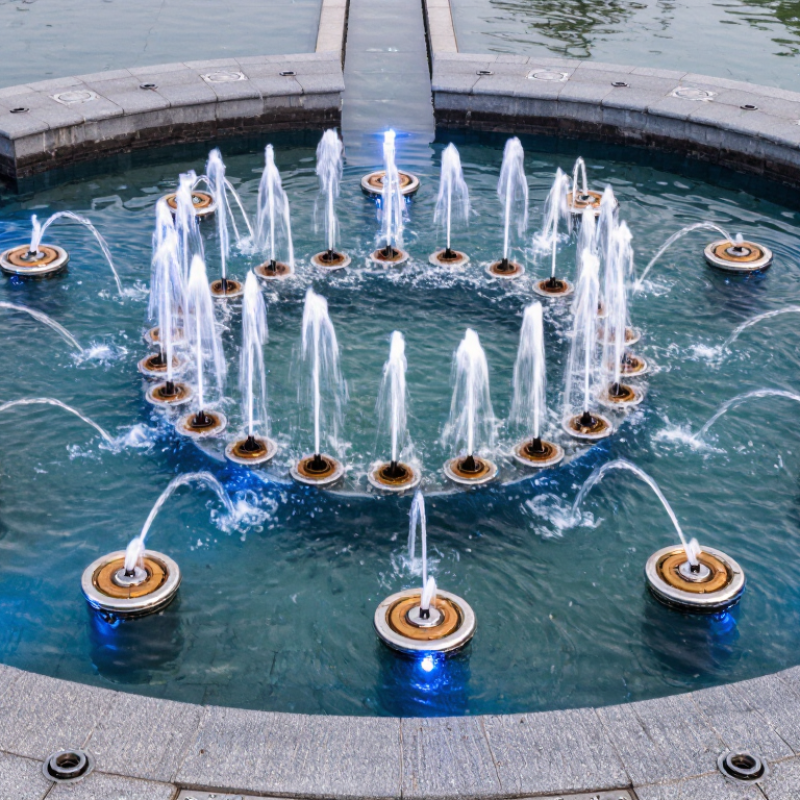
A fountain spray ring is a circular manifold with evenly spaced nozzles. It distributes pumped water into a controlled pattern. Its main functions include shaping the display, balancing water flow, and supporting consistent height. In field inspections, I check nozzle spacing, inlet size, and spray symmetry before judging appearance. Small details matter. A partially blocked nozzle can create a visible gap within minutes.
Water efficiency should guide the selection. The UN World Water Development Report 2024 states that agriculture uses about 70% of global freshwater withdrawals. Decorative systems need careful control, especially in dry regions. The U.S. EPA WaterSense program reports more than 7.5 trillion gallons saved through labeled products since 2006. A well-designed ring cannot create those savings alone, but correct nozzle sizing can reduce overspray, splash loss, and unnecessary pump demand.
Look for corrosion-resistant construction, removable nozzles, and accessible cleaning points. Match the ring’s required flow rate with the pump’s actual operating pressure. Wind changes everything. A tall, narrow spray may look impressive indoors but drift outdoors. I still find that catalogue dimensions can mislead without site testing. Water quality, pipe friction, and seasonal wind deserve equal attention. Choose a ring that produces stable droplets, not merely a dramatic photograph.
| Spray Ring Configuration | Main Function | Typical Nozzle Outlets | Typical Ring Diameter | Typical Flow Rate | Recommended Pressure | Approx. Spray Height | Suitable Basin Diameter | Best Application | Key Selection Consideration |
|---|---|---|---|---|---|---|---|---|---|
| Compact Vertical-Jet Ring | Creates a balanced circle of upright water streams with a clear, symmetrical appearance. | 4–8 | 150–300 mm | 8–24 L/min | 1.5–3 bar | 0.6–1.5 m | 1.5–3 m | Small decorative basins, courtyards, patios, and indoor water features. | Choose a compact ring when low water consumption, quiet operation, and easy installation are priorities. |
| Medium Crown-Spray Ring | Produces a fuller circular crown and stronger visual coverage around the center of the basin. | 8–16 | 300–600 mm | 25–70 L/min | 2–4 bar | 1.2–3 m | 3–6 m | Public gardens, hotel entrances, shopping areas, and medium-sized landscape fountains. | Match the ring diameter and spray height to the viewing distance and available pump capacity. |
| Large High-Volume Ring | Delivers a prominent circular water display designed to remain visible across large outdoor spaces. | 16–32 | 600–1,200 mm | 70–180 L/min | 2.5–5 bar | 2–5 m | 6–12 m | Large plazas, municipal landscapes, resorts, and feature fountains viewed from a distance. | Verify pump head, pipe diameter, structural support, splash control, and wind exposure before installation. |
| Fan-Spray Ring | Creates wider, sheet-like or fan-shaped streams that increase the perceived spread of the display. | 8–24 | 300–1,000 mm | 30–120 L/min | 2–4 bar | 0.8–2.5 m | 3–8 m | Architectural fountains, entrance features, and installations requiring strong horizontal coverage. | Allow extra clearance for splash and select adjustable outlets when the spray direction must be fine-tuned. |
| Aerated Spray Ring | Adds air to the water stream, producing brighter, whiter, and more visually textured jets. | 6–20 | 250–800 mm | 20–100 L/min | 1.5–4 bar | 0.8–3 m | 2.5–8 m | Decorative displays where water brightness and texture are more important than maximum height. | Use clean water and accessible filters because small air passages and outlets can be affected by debris or mineral deposits. |
| Adjustable Multi-Pattern Ring | Supports different spray angles, heights, or patterns for flexible visual programming and seasonal adjustment. | 8–24 | 300–1,000 mm | 25–140 L/min | 2–5 bar | 0.8–4 m | 3–10 m | Interactive fountains, event spaces, public installations, and projects with changing water effects. | Confirm adjustment range, locking method, control compatibility, and maintenance access before purchase. |
It is a circular water manifold with evenly spaced nozzles. It creates a controlled fountain pattern.
Check nozzle spacing, inlet size, spray symmetry, and cleaning access. Small defects become visible quickly.
Correct nozzle sizing reduces overspray, splash loss, and unnecessary pump demand. It cannot solve every water problem.
Match the ring’s required flow rate with the pump’s actual pressure. Pipe friction can reduce the final spray height.
Narrow jets create a precise outline in moderate wind. Radial patterns provide a clean, symmetrical crown.
Wind can push tall, narrow sprays sideways. Test the ring at its intended height and location.
Corrosion-resistant steel handles staining well near treated water. Brass looks warmer but may darken over time.
Fine droplets resemble mist under white light. Larger droplets reflect colored light more strongly and visibly.
They make cleaning and replacement easier. A blocked nozzle can create an obvious gap within minutes.
Do not trust catalogue photographs alone. I once ignored gasket quality, and the spray weakened after one week.
Choosing the best Fountain Spray Rings in 2026 starts with understanding how they shape water movement, height, coverage, and the overall appearance of a fountain. The right ring should match the fountain’s basin size, design style, and available water flow. Consider whether you prefer a soft, uniform curtain, a lively multi-jet pattern, or a dramatic display, while also comparing materials for corrosion resistance, strength, and long-term visual quality.
Pump compatibility is equally important, since an unsuitable ring may reduce performance or waste energy. Before installation, check connection sizes, pressure requirements, electrical efficiency, and whether the structure can support safe and stable operation. Durable construction can reduce maintenance, but the best choice should still fit your budget. By balancing spray pattern, material quality, water demand, installation requirements, safety, and upkeep, you can select a Fountain Spray Rings solution that delivers attractive, reliable performance over time.