
A floating fountain looks effortless from the shore. Under the surface, however, pumps, anchors, cables, lighting, and control systems must work together. This guide to China’s top 10 Floating Fountains manufacturers examines those practical details, not just dramatic photographs. It considers project experience, customization, materials, water display options, installation support, and maintenance access. Small differences matter: a service platform can save hours, while poorly planned cable routing can complicate routine checks.
WET Design founder Mark Fuller is a recognized figure in fountain design. A useful principle for evaluating manufacturers is: “A memorable water display must also be dependable to operate.” This is an editorial summary, not a verified verbatim quotation from Fuller. Buyers should still confirm each supplier’s project references, technical documents, warranty terms, and export experience. Ask for drawings that show float dimensions, equipment placement, and access points. Request clear answers about local servicing, spare parts, and expected maintenance intervals.
The rankings offer a starting point, not a substitute for due diligence. A polished video cannot reveal how a system performs in wind, changing water levels, or long operating hours. Some supplier details may also be difficult to compare consistently. That matters. Use the profiles to shortlist manufacturers, then test their claims against your site conditions, budget, and operating goals. A strong supplier should explain trade-offs plainly, including what the proposed system cannot do.
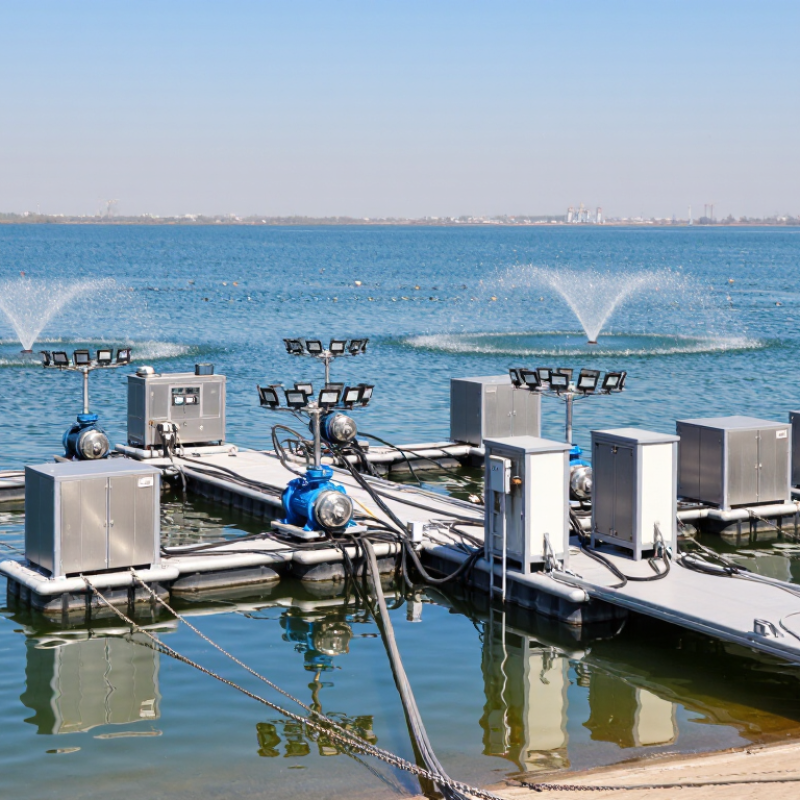
China’s floating fountain manufacturing industry combines mechanical design, water engineering, lighting, and site-specific planning. Manufacturers coordinate floating platforms, pumps, pipes, control cabinets, and underwater lights. A lake’s depth, wind exposure, water quality, and maintenance access all affect equipment choices. One specification rarely fits every site. A calm park pond and a broad reservoir need different anchoring and power plans.
For buyers comparing China’s top 10 floating fountain manufacturers, look beyond product photos. Ask for pump curves, float load limits, material grades, wiring diagrams, and maintenance schedules. Request a layout showing cable routes and service access. Confirm how the system handles algae, sediment, and seasonal water-level changes. Clear drawings and recorded factory tests make technical claims easier to verify. Still, paperwork cannot replace checking a real installation; that step is sometimes overlooked.
Tips: Share site dimensions, water-depth ranges, local voltage, and expected operating hours before requesting a quote. Ask who supervises commissioning and which spare parts are recommended. A dramatic spray height can increase wind drift and energy use. Small compromises matter. Agree on acceptance tests, delivery scope, and maintenance responsibilities in writing.
Floating fountain systems begin with the site, not the spray pattern. Designers measure water depth, expected wind, shoreline access, and power availability. These details influence float dimensions, anchor locations, and pump selection. A calm pond and an exposed reservoir need different layouts. That difference is easy to underestimate.
The floating platform is usually fabricated from corrosion-resistant metal or durable molded materials. Its buoyancy must support pumps, pipes, lights, and maintenance loads without sitting too low. Nozzle height and spacing are tested against pump flow and water pressure. Small details matter. A poorly balanced assembly can tilt, changing the display and stressing its connections. Electrical components require suitable enclosures and carefully routed cables, with access planned for inspection and repairs.
During production, technicians fit the pumps and pipework, check joints, and test the system in controlled conditions where possible. They look for leaks, vibration, uneven spray, and unexpected movement. Then comes testing. A factory test cannot fully reproduce wind or changing water levels, so installation checks remain important. Anchors are adjusted on site, and spray patterns may need revision. I have seen this part treated as minor; it is not always minor. Regular cleaning and practical access can matter as much as the initial design.
China’s floating-fountain manufacturers often focus on different parts of a project, rather than offering identical solutions. Some specialize in compact display systems for hotel ponds, while others build large modular platforms for reservoirs.
The details matter. Buyers should compare pump capacity, float materials, nozzle options, and maintenance access against actual site conditions.
Among ten common specialty areas, one supplier may design programmable musical displays; another may focus on energy-efficient pumps. Others concentrate on stainless-steel nozzles, durable modular floats, lighting controls, or custom water patterns. A few excel at engineering systems for changing water levels. Some provide installation guidance and operator training, while others focus on spare parts and after-sales support.
These strengths are not interchangeable. A striking spray pattern can still be impractical if filters clog easily.
For coastal or exposed sites, corrosion-resistant components and secure cable routing deserve close attention. Manufacturers serving public parks may prioritize straightforward controls and safe maintenance access. Smaller suppliers can sometimes adapt designs quickly, though documentation may be thinner.
That is worth checking.
Ask for technical drawings, material specifications, pump curves, and references for comparable installations. The best fit depends on water depth, wind exposure, power supply, and the local team’s ability to maintain the system.
China Top 10 Floating Fountain Manufacturers
How to Evaluate Floating Fountain Manufacturers
A reliable evaluation starts with the waterbody, not the brochure. Share its depth, surface area, wind exposure, and intended viewing distance. Ask how the proposed float platform handles changing water levels and routine wave movement. Request drawings that show pump placement, cable routes, access points, and nozzle height. Practical details matter.
A polished catalog is not proof. Ask for project references, installation photos, and performance data from comparable sites. Confirm which materials contact water, how the pumps are protected, and what maintenance intervals the supplier recommends. If possible, inspect a running fountain or request a documented factory test. Watch for stable spray patterns and accessible service components. Small signs count.
Compare control options, spare-parts availability, delivery schedules, and the clarity of warranty terms. Ask who supports commissioning and troubleshooting after installation. Vague answers deserve follow-up. Price alone can hide costs such as transport, electrical work, or seasonal removal. One imperfect part of evaluation is judging long-term service before problems occur. Speak with past clients, and ask what response times were actually like. A thoughtful supplier should explain trade-offs, not promise that every design will work everywhere.
Floating fountains serve public parks, resort lakes, civic squares, and large commercial ponds. In parks, a central spray can give visitors a clear visual landmark and help animate broad water surfaces. Hotel and residential settings often use quieter patterns near walking paths or outdoor dining areas. Retention ponds may also use fountains for circulation, though performance depends on depth, shape, and equipment. Small sites differ.
Emerging designs increasingly pair variable-speed pumps with programmable controls, allowing operators to adjust spray height and energy use. LED lighting can create distinct evening scenes, but glare and nearby homes should guide placement. Some systems include remote monitoring for pump status and water levels. Useful, but not effortless: sensors need checking, and connectivity can fail.
There is growing interest in matching fountain operation to local conditions. Wind-responsive controls can reduce spray drift, while careful intake placement helps limit debris and disturbance to aquatic life. These features need site-specific planning; a standard layout may not suit every pond. Maintenance still matters. Leaves, sediment, and mineral buildup can affect nozzles and flow, sometimes sooner than expected. A control panel can also confuse staff if settings are poorly labeled.
Industry overview of floating-fountain system types, applications, and trends. The entries below are not company names or a ranked or verified list of manufacturers.
| No. | Floating Fountain System Type | Common Applications | Typical System Features | Relevant Industry Trend |
|---|---|---|---|---|
| 1 | Display fountain with vertical jets | Public parks, urban lakes, and waterfront promenades | Floating support platform, submersible pump, vertical nozzle, and lighting options | Adjustable jet height and programmable operating schedules help tailor displays to different sites and conditions. |
| 2 | Multi-nozzle floating fountain | Large ponds, reservoirs, and scenic lake areas | Multiple nozzles arranged on a buoyant frame; pump and nozzle selection determine flow and spray pattern | Modular layouts make it easier to adapt system size and configuration to site requirements. |
| 3 | LED-illuminated floating fountain | Hotels, resorts, commercial developments, and evening attractions | Waterproof underwater LED fixtures paired with fountain pumps and electrical controls | Energy-efficient LED lighting and programmable color sequences are increasingly used for nighttime displays. |
| 4 | Music-synchronized fountain | Public entertainment spaces, event venues, and destination attractions | Control system coordinates pump or valve outputs, lighting, and timed show sequences | Digital control and audio synchronization support more flexible show programming. |
| 5 | Fountain with variable-speed pump control | Parks, campuses, and managed landscape lakes | Variable-frequency drive can adjust compatible motor speed to suit operating requirements | Controls that allow operators to adjust output and schedules can support more efficient operation, depending on system design. |
| 6 | Floating fountain with aeration function | Managed ponds and lakes where water circulation is desired | Water movement at the surface can promote mixing; performance depends on equipment, water body, and installation | Some projects consider fountains alongside dedicated aeration or circulation equipment; a fountain alone does not guarantee water-quality improvement. |
| 7 | Compact floating fountain | Small ornamental ponds, courtyards, and private landscape waters | Smaller buoyant assembly and pump selected for the pond’s size and desired spray pattern | Compact, modular equipment can simplify installation and maintenance in smaller sites. |
| 8 | Large-lake floating display system | Reservoir shorelines, large parks, and wide scenic water bodies | System layout and anchoring must account for water depth, exposure, access, and site conditions | Project planning increasingly emphasizes site-specific engineering, safe access, and maintainability. |
| 9 | Remote-monitored fountain system | Multiple managed sites, public parks, and commercial properties | Control equipment may provide status information and operating alerts when compatible monitoring is installed | Remote monitoring can help operators check system status and identify faults without being continuously on site. |
| 10 | Hybrid or off-grid fountain installation | Remote decorative ponds or sites with limited access to grid power | Power supply must be engineered for the pump load and operating schedule; solar systems may require storage and backup planning | Renewable-powered installations are an option for suitable projects, but available power and display duration depend on site conditions and system sizing. |
Review pump curves, float load limits, material grades, wiring diagrams, and maintenance schedules. Photos alone reveal little.
Provide pond dimensions, depth ranges, local voltage, wind exposure, and expected operating hours. Small details matter.
No. A calm park pond and a windy reservoir need different anchoring and power plans. One layout rarely fits.
They appear in public parks, resort lakes, civic squares, and commercial ponds. Some retention ponds use them for circulation.
Variable-speed pumps can adjust spray height and power use. Operators still need clear settings and practical training.
Tall sprays may drift beyond the pond and use more energy. Wind-responsive controls can help, but planning still matters.
Leaves, sediment, and mineral buildup can affect nozzles and water flow. Sensors need checks too. Problems can arrive early.
Put commissioning duties, spare parts, acceptance tests, and maintenance responsibilities in writing. Real-site checks matter; paperwork is not enough.
This article explores China’s floating fountain manufacturing industry, from system planning to production. It explains how engineers consider water depth, site conditions, pump capacity, nozzle layouts, lighting, control systems, and installation requirements when designing a project. It also outlines the typical production process, including component selection, fabrication, assembly, and performance testing. The overview of China’s top 10 manufacturers focuses on their areas of specialization, such as custom engineering, modular equipment, large-scale displays, and integrated lighting and control solutions, without relying on brand promotion.
Readers will also find practical criteria for evaluating suppliers, including technical capability, product quality, customization options, project support, and after-sales service. The article reviews common uses for Floating Fountains in public parks, lakes, resorts, and commercial spaces, while highlighting emerging trends such as energy-efficient equipment, smarter controls, and more flexible system designs. Together, these topics provide a useful starting point for comparing manufacturers and planning a suitable floating fountain project.